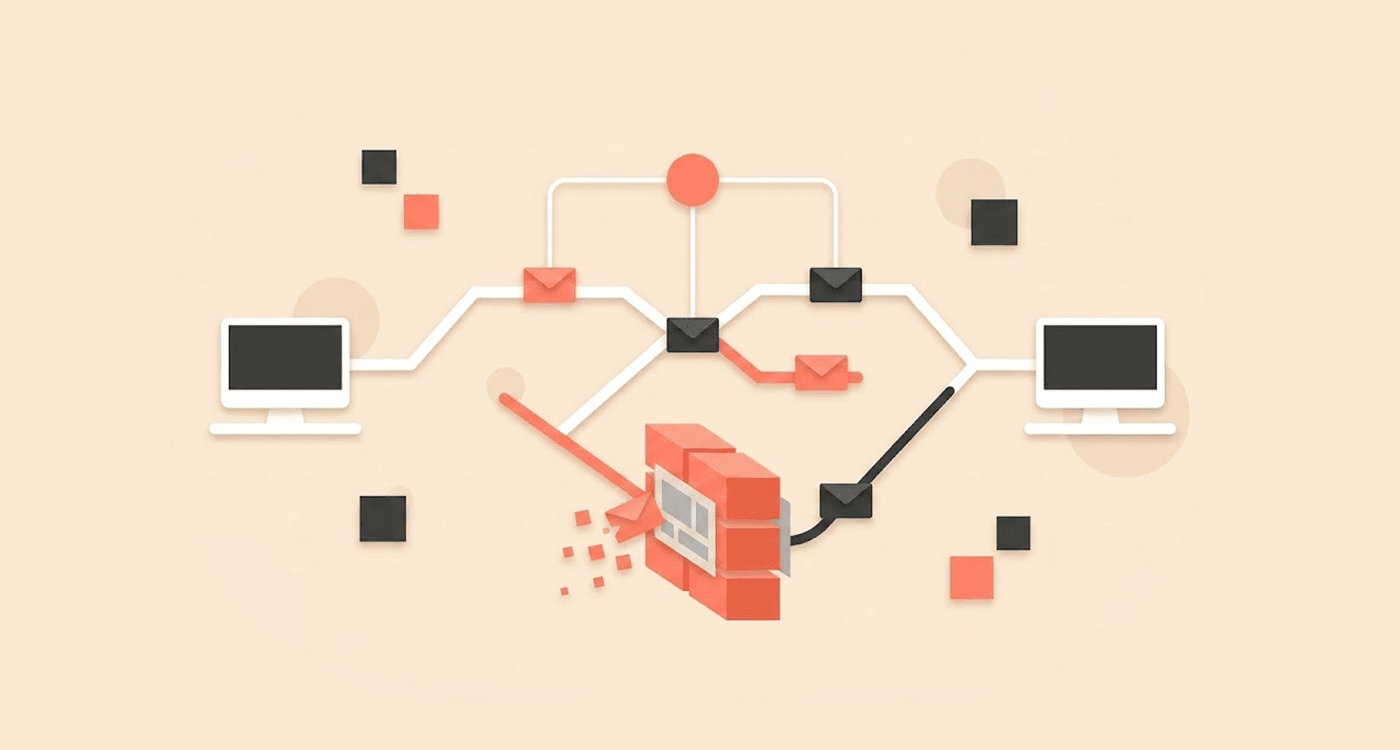
The dark web is a part of the internet that you only step into with a specific tool (Tor, more on this later in the article). Though people usually think of dark websites as the wrong online place, that’s not the complete truth. To really understand the dark web, you have to look at both sides of the coin. Yes, the underground internet world is rife with everything bad, but it also hosts positive elements. It then depends on you, as the user, how you surf the dark world.
If you know the right websites, you can easily access a tremendous amount of information, including research articles, news stories, and more.
This article lists some of the best dark web websites you can visit securely. Some of these sites are very helpful (but unseen as Google doesn’t show them), while others are just for fun.
Please note: This article is solely for the educational and information purposes. It has onion links you cannot access with regular browsers like Chrome, Firefox, Edge, or Safari. You will need the Tor browser to access these links and the other (hidden) internet, the dark web. Also, use a stealth VPN like NordVPN and a dependable antivirus like TotalAV or Bitdefender to double your security while navigating dark web resources if you choose to access them.
10 best Tor sites available on the dark web – Quick list
Running late? Here’s a list of the best Onion and Tor sites to explore in 2026, including privacy-focused services, search tools, and useful hidden websites:
- DuckDuckGo: One of the best privacy-focused search engines that does not use trackers or collect your personal data.
- BlankSearch: A privacy-focused search engine with an official .onion site, offering Tor users a simple alternative to DuckDuckGo for searching the regular web.
- Awazon Market: A dark web marketplace that lets people sell and purchase illicit goods and services (mostly).
- ProPublica: An investigative media site and platform that publishes provocative pieces on a wide range of topics related to dark web news, from finance to politics.
- Vortex: It’s a hidden internet e-commerce market that security researchers closely watch for its escrow system and the wide range of illicit goods it hosts.
- Tenebris: This is a decentralized forum on the dark web where you can ask any question you like without getting censored.
- OnionFind: A useful dark web search engine that allows you to search incredibly detailed queries.
- Facebook: This is a version of Facebook’s onion portal, which was developed to help people in repressive regimes access it.
- SecureDrop: Designed for whistleblowers to share information with journalists securely and anonymously.
- BBC Tor Mirror: A special BBC .onion site to offer access to its content in countries with heavy online censorship.
Caution: Safety comes first when visiting dark web links
If you choose to visit the dark web, you must take the necessary measures to protect your privacy and security. This includes using an anonymous browser like Tor, a VPN to encrypt your connection, an antivirus for protection against malware (we recommend TotalAV), and generally being careful not to reveal personal information.
Whether you’re a researcher, a security professional, or just curious, dark web intelligence helps you separate the useful from the dangerous. That’s exactly what this guide aims to deliver.
In addition, know that while accessing the dark web is legal in most countries, engaging in illegal activities (buying or selling contraband, hacking services, etc.) is illegal everywhere. You should be aware that law enforcement agencies may be monitoring the dark web and that visiting certain websites or engaging in illegal activities can result in criminal charges. You can also check out this ultimate dark web safety guide to browse safely.
Best dark web sites 2026 – Detailed list
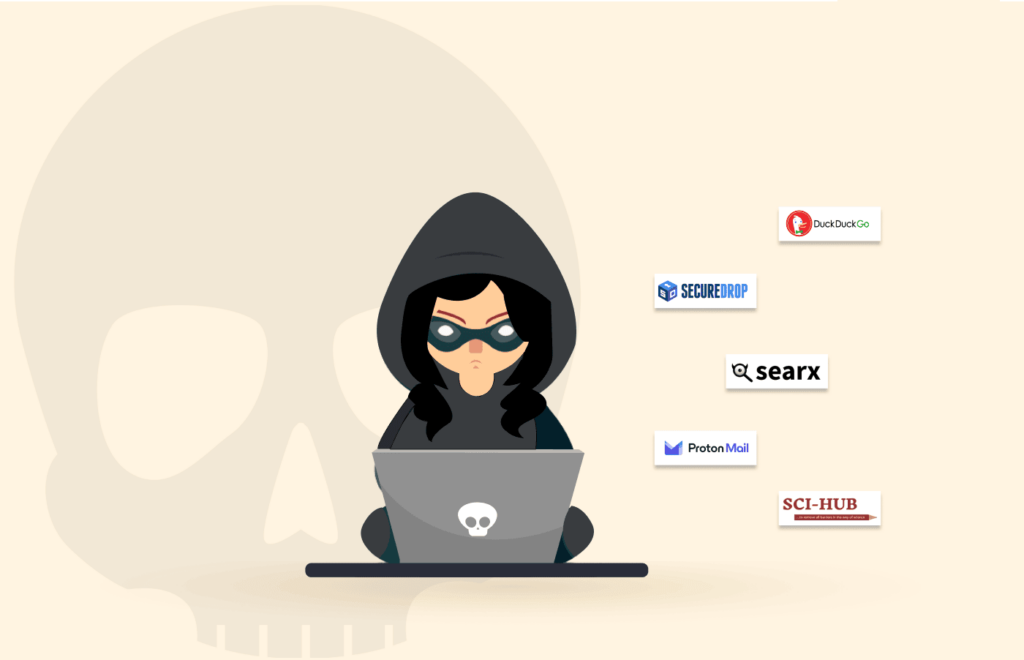
Finding reliable websites on the dark web isn’t always easy, especially with the lack of user-friendly onion search engines. Thankfully, our dark web sites list helps you navigate the dark web landscape, discover useful resources, and avoid relying on random or outdated links.
Below, we list some of them. You can choose the best darknet (.onion) website that suits you and start surfing. However, remember you must use the Tor browser to access them. For safer browsing, it is highly recommended to also use a VPN and antivirus software.
1. DuckDuckGo
- Direct link: https://duckduckgogg42xjoc72x3sjasowoarfbgcmvfimaftt6twagswzczad.onion/
DuckDuckGo is the most popular private search engine. Unlike other search engines, it does not collect or share the web activities and personal data of users. Luckily, it is also available on the surface web.
It is an excellent option if you want to surf the web anonymously. Even without monitoring your browsing activities, DuckDuckGo will offer decent answers to your questions.
You can also access DuckDuckGo through its official .onion address using Tor Browser. This lets you search the regular web while benefiting from Tor’s additional privacy protections. However, note that using a private search engine alone does not make every browsing activity anonymous.
2. BlankSearch
Direct link: http://utjpewosd5twy7qp7ckvyitlg5mc3h5kffkvngsv6yf65kuh425btrad.onion/
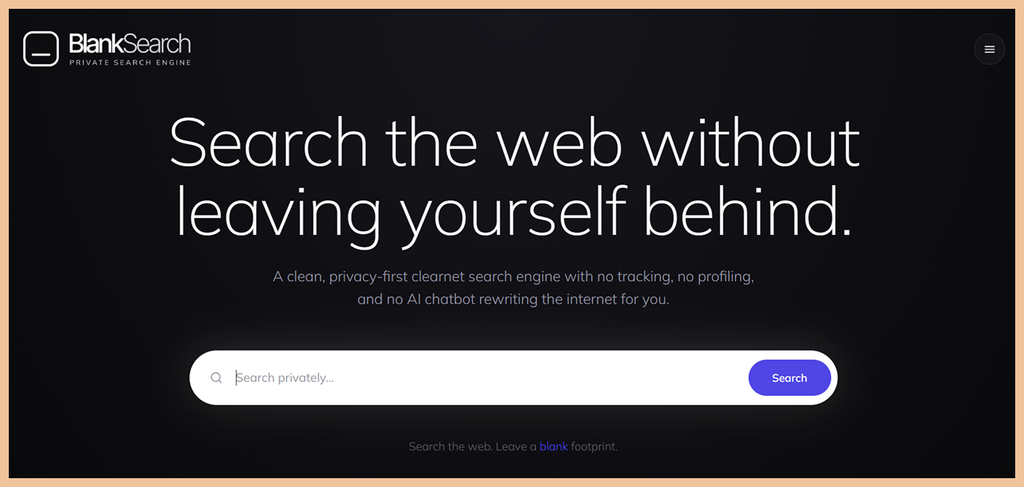
BlankSearch is a privacy-focused search engine for clearnet searches that takes aim at established options like DuckDuckGo. It doesn’t store your search history, build behavioral profiles, or fill results with AI-generated summaries. Instead, it focuses on showing links to real websites while keeping searches separate from your identity.
It also runs an official .onion site, which makes it particularly useful for Tor users who want to search the regular web without leaving the Tor network. BlankSearch sends search requests through its own servers, so its upstream search providers don’t receive your IP address or a personal identifier.
Note that BlankSearch isn’t a dark web search engine. It searches the clearnet rather than indexing hidden .onion services. So, if you want a private, straightforward alternative to DuckDuckGo while browsing through Tor, BlankSearch is pretty much worth considering.
3. Awazon Market
- Direct link 1: http://awazone7gyw54yau4vb6gvcac4yhnhcf3dkl3cpfxkywqstrgyroliid.onion/
- Direct link 2: http://awazonep3val6gxuzcl2ydllhnwb7quh5ynh76cyc3axkfoqhlbrb2id.onion/
- Direct link 3:
http://awazonevlc63543fjvtli35bk2iopdyyaaytkmmiop5avny6b24uljqd.onion/
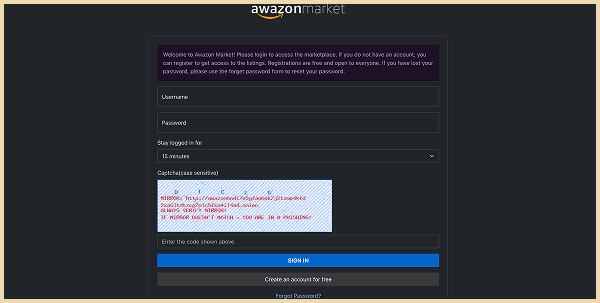
Awazon is a dark web marketplace that has quickly become popular for its anonymous e-commerce services. The site is inspired by Amazon (as the name suggests). It has a similar interface; however, it works quite the opposite of that. People use it to buy illegal goods and services.
It is a user-only platform. Anyone who wants to access it must create an account first. The website features an advanced search filter and an intuitive interface, making it easy to find what users are looking for. Whether local or international goods, research documents, banned drugs — you name it — everything is available on this dark web platform (that’s one of the reasons why this should be monitored for security purposes). The website verifies its vendors before they sell.
Those features resemble conventional online marketplaces, but they don’t make the platform legitimate or protect users from fraud, stolen data, or legal consequences.
Awazon became the successor of the popular AlphaBay market, which the authorities shut down successfully in July 2023. Like any other site of such a nature, Awazon Market isn’t free from risks, so be careful while accessing it.
Know that the purchasing and selling of illegal goods like hacked accounts, stolen financial information, or money laundering services is considered illegal in most countries (noted earlier in the article, highlighting the fact again, so that you understand the importance of it). Hence, if you participate in them, whether knowingly or unknowingly, you can end up facing criminal charges, and in some extreme cases, even imprisonment.
What’s more? Besides legal issues, the onion platform also raises ethical concerns because it copies the branding of Amazon.
4. ProPublica
- Direct link: https://www.propub3r6espa33w.onion
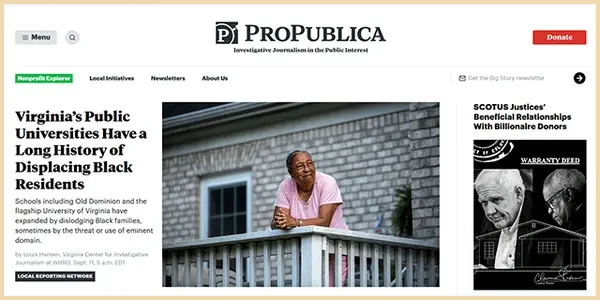
ProPublica is a popular online publication that won five Pulitzers in 2016. It aims to expose abuses of power and betrayal of public trust through investigative journalism.
The website is available on the surface web and through a dedicated Tor address. This means you can visit the site anonymously using the Onion browser, especially if you live under an oppressive regime.
ProPublica covers all the controversial stories from corrupt politicians, child labor, etc., in English and Spanish.
5. Vortex
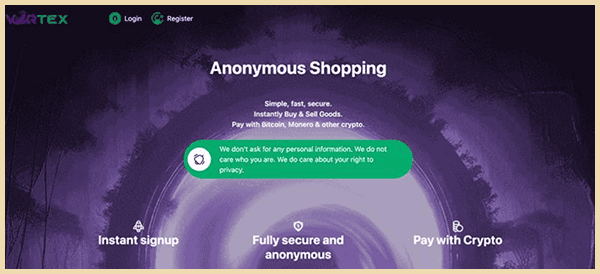
- Direct link: http://vortexcccpxmqfpltfelpe26tyfsxilv6zbawaokcrlijmlehnnthpyd.onion
Vortex operates as an e-commerce platform on the dark web, built around ease of use and anonymity. Most of its inventory falls into illegal products and services, but what draws attention from security professionals is its structure. The platform features a more organized interface with a 14-day escrow system alongside a Finalize Early (FE) option that lets buyers release funds sooner when dealing with trusted vendors.
Like many dark net sites, transactions rely on cryptocurrencies including Bitcoin, Monero, and USDT.
The platform hosts a broad range of illicit offerings (never visit it unless you need it for research purposes), from drugs and malware to stolen credit cards, pirated software, and hacking resources. For security researchers, tracking sites like Vortex offers a window into emerging threats and the evolving tactics of underground marketplaces.
6. Tenebris

- Direct link: http://tenebrispoyfrcup4k24lciwrh4gc5735hmld4dweq7his7zh423opqd.onion/
Tenebris is a dark web discussion forum, a community for dark net users to share news (mostly on law enforcement activities), general darknet culture information, reviews of markets and vendors, and warnings about busts or scams. Launched as a successor to similar platforms as they keep going down, it has quickly become a major underground forum.
It features communities (similar to Reddit’s subreddits) for specific topics that moderators and administrators run.
While it is a professional-looking platform, keep in mind that a vast amount of underground cybercrime activity gets orchestrated through these platforms. Yes, it has discussions about cyber threats and privacy tools, too. Still, one shouldn’t forget that a popular forum like Tenebris is often a gathering point for cybercriminals, facilitating data breaches, illegal trade, and fraud.
7. OnionFind
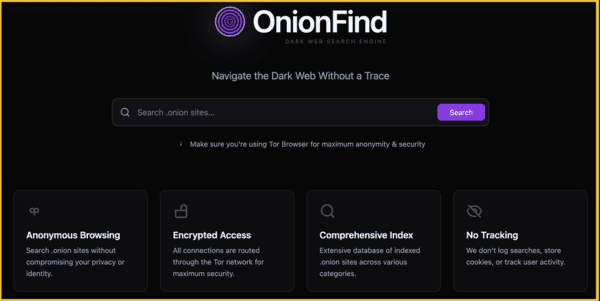
- Direct link: http://ofinde3b67voi7xiq3qflof2mwriwngicd7glwvf3bclgdgcjfozlzqd.onion/
OnionFind is a search engine built for the Tor network. It’s made with privacy in mind and helps find working onion sites — those hidden websites on the dark web.
Unlike most other similar search engines, even though it gives you access to that (hidden) part of the internet, it still blocks dangerous and illegal stuff like child exploitation material. That’s a good thing.
When harmful links turn up, this darknet search platform removes them and points you toward safer resources instead. So compared to regular search engines — and even most other dark web search tools — it’s a much safer choice.
It offers dual access as it has a clearnet domain alongside a .onion address that requires specialized software (Tor) that users use to access the sites listed in its results. According to our research, a small, independent team of cybersecurity researchers maintains OnionFind, and it relies on donations to keep the service running and its servers up.
8. Facebook Onion site
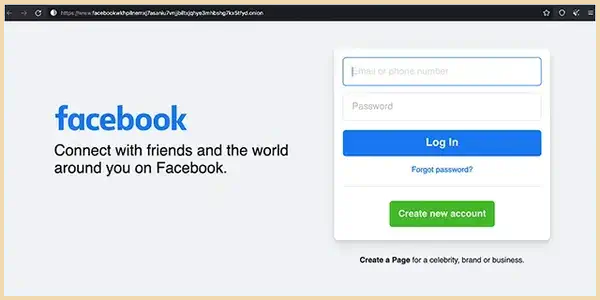
- Direct link: https://www.facebookcorewwwi.onion/
Many social media platforms keep their presence on the dark web, and it is no surprise that Facebook has a .onion portal. Facebook’s dark web version allows users to access the site where it is banned or restricted. Although the social application is known for collecting data on its platform, it does not like to share the information with others.
The social media giant is also aware of the many attempts by repressive regimes to restrict access to it. After all, it enables users to connect and communicate with each other from around the world. The platform joined the dark web back in 2014.
9. SecureDrop
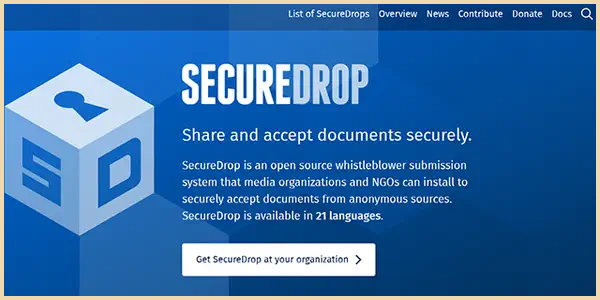
- Direct link: https://securedrop.org/directory/
SecureDrop is a dark web link that allows whistleblowers on the dark web to communicate and share information with journalists safely and without being tracked. The project launched in 2013 under the name DeadDrop.
In most cases, whistleblowers have sensitive information about the government or a company. They can be easily traced and even prosecuted if they share the information on the surface web. SecureDrop is a site that protects the privacy of journalists and whistleblowers. While it aims to reduce the risk of identifying sources, no communication system can eliminate every technical or operational security threat.
Currently, SecureDrop’s .onion website is not available (its non-onion website URL is https://securedrop.org/). However, many news organizations and publishers have set up their own SecureDrop URLs to leverage anonymous whistleblowers’ power.
Some of the noteworthy examples include Forbes (http://t5pv5o4t6jyjilp6.onion/), Reuters (http://smb7p276iht3i2fj.onion/), and The Financial Times (http://xdm7flvwt3uvsrrd.onion/).
10. BBC Tor Mirror

- Direct link: http://bbcnewsv2vjtpsuy.onion/
In some countries, such as China and North Korea, the government uses heavy online censorship and blocks many dark web websites. For example, the BBC website is not accessible in such countries. This is where an Onion website, like the Tor browser, comes in handy.
The BBC is one of the mainstream publishers that maintains dark web mirrors, including a dedicated .onion site you can access through Tor. Its goal is to offer anonymous access to the content without being censored, no matter where you live. The good news is that the BBC Onion site is an international edition. As a result, it not only focuses on the UK but also provides worldwide news.
11. Tor Metrics
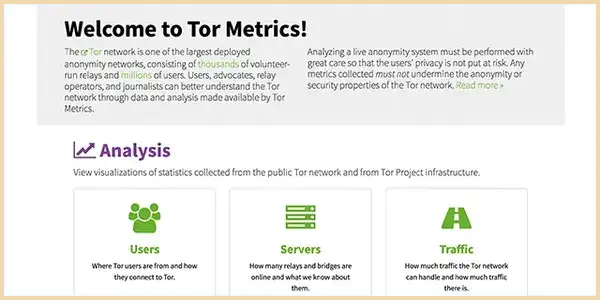
- Direct link: http://rougmnvswfsmd4dq.onion/
The Tor Metrics is a good place to get more information about the Tor project. It collects data from the public Tor network and archives historical data of the Tor ecosystem.
This service is a good source of statistics if you have a school project requiring research on Tor and the dark web. However, note that the site only uses non-sensitive and public data for the metrics.
The goal of an anonymous and privacy network, Tor, is not to engage in the extensive collection of data. However, data is required for understanding, monitoring, and improving the network. Furthermore, data will help to detect attacks against the network and possible censorship events.
12. The Hidden Wiki
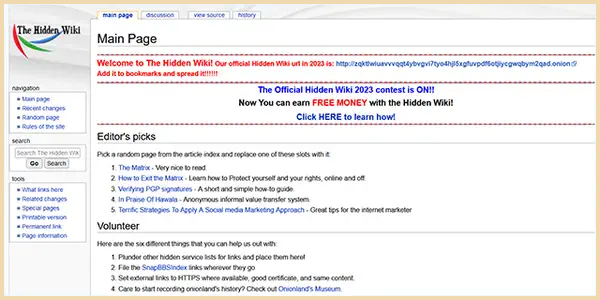
- Direct link: https://onionwiki.com/ | http://zqktlwi4fecvo6ri.onion/wiki/index.php/Main_Page
Often called the Wikipedia of the dark web, The Hidden Wiki is a directory of onion sites that organizes hidden websites into different categories. It helps users discover Tor-based resources, although not every listing is reliable or safe to visit. Its directory lists hidden websites across different categories, although some addresses may be outdated, unsafe, or misleading.
However, you have to be careful with the links you click. Since Hidden Wiki maintains all kinds of websites, ensure you don’t open something you don’t want to see. For example, it has a reputation for hosting pedophile sites.
Moreover, due to its popularity, many copycats of the Hidden Wiki exist. So don’t be surprised if you encounter different versions that claim to be genuine, and be very careful.
Talking about copycats and potential risks, due to its high risk and low signal-to-noise ratio for legitimate content, we advise beginners and privacy-conscious users to avoid The Hidden Wiki. Safer, more curated directories exist. If you must explore sites like The Hidden Wiki, do so with extreme skepticism, never download files, never enter personal info, and never send cryptocurrency to unknown sites. Assume most links are malicious or illegal.
Pro tip: A directory listing does not verify a website’s legitimacy. Some onion directories contain outdated links, phishing pages, or destinations associated with illegal content. Readers should not treat inclusion in a directory as a sign of safety.
13. ProtonMail
- Direct link: https://protonirockerxow.onion/
ProtonMail is a Swiss-based email service that is very easy to use. It has end-to-end encryption to protect your conversations. You are not required to provide your personal information to create an account. The email service is available both on the surface and on the dark web.
Accessing ProtonMail through Tor adds another layer of privacy by hiding your IP address from the service. ProtonMail also uses HTTPS to secure connections, while its end-to-end encryption protects eligible email content. These protections can reduce certain forms of tracking and help secure eligible email content. However, email privacy still depends on factors such as account security, recipient settings, and the information users share.
14. RiseUp
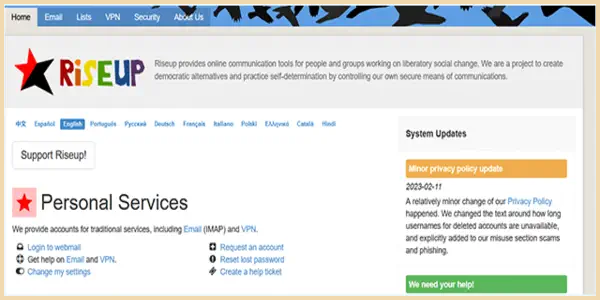
- Direct link: http://nzh3fv6jc6jskki3.onion/
RiseUp is a top dark web website that offers secure email services and a chat option. It was created in 1999 as a secure communication platform for people and groups working on liberatory social change. The platform is protected from government interference and malicious attacks to protect the user. In addition, it ensures that no record of communication is stored.
Unfortunately, it requires you to have an invitation code to create an account. This means you have to know someone who is already using the platform. Even without the code, you can visit the security section to get tips on improving your daily life privacy.
15. Archive.today
- Direct link: http://archivecaslytosk.onion/
Formerly known as Archive.is, it is one of the best onion sites on the dark web. It aims to preserve the internet’s scientific and cultural heritage. It saves snapshots of webpages, making older versions accessible even when the original content goes offline.
Established in 2012, the platform is a time capsule that collects snapshots of websites. These onion addresses will remain online even if the original page disappears. It also keeps the graphical copy and text of the page for better accuracy.
This is the best place to get short and reliable links to an unalterable record of any webpage across government and corporate websites.
16. Mailpile
- Direct link: http://clgs64523yi2bkhz.onion/
Mailpile is an encrypted email service that aims to keep your emails completely private.
Despite encrypting your emails, it allows you to store your emails safely without sharing them in the cloud. Another significant advantage of Mailpile is that its code is open source. This means anyone can access it, which helps to detect vulnerabilities before malicious actors take advantage.
The Mailpile .onion site can download information anonymously from any server or web service like Gravatar. It can also send or download emails without getting classified as spam or exit nodes spying on sensitive data.
17. BlockChain.info
- Direct link: blockchainbdgpzk.onion
Cryptocurrencies such as Bitcoin have been the dark web currency even before they became available to the general public. Right now, you can use many cryptocurrency .onion sites to buy or sell all types of cryptocurrencies.
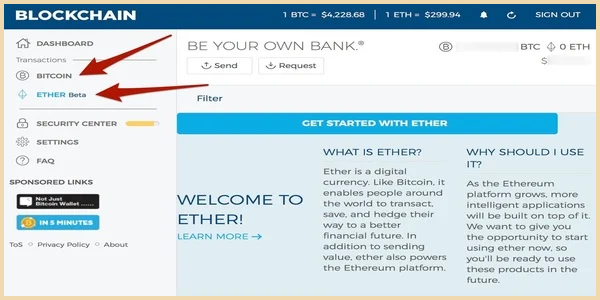
Blockchain.info (now Blockchain.com) is a popular cryptocurrency wallet and blockchain explorer service (one of the first sites to launch on the dark web). It was initially created to provide additional security and eliminate cryptocurrency theft. It’s a wallet and explorer service, not a dark web market itself, but still a helpful resource.
Its .onion website provides an additional layer of privacy and security for users accessing their Bitcoin wallets or exploring transaction data, especially useful in regions where cryptocurrency sites might be monitored or blocked. Blockchain even has an HTTPS security certificate for even better protection.
18. ZeroBin
- Direct link: http://zerobinqmdqd236y.onion/
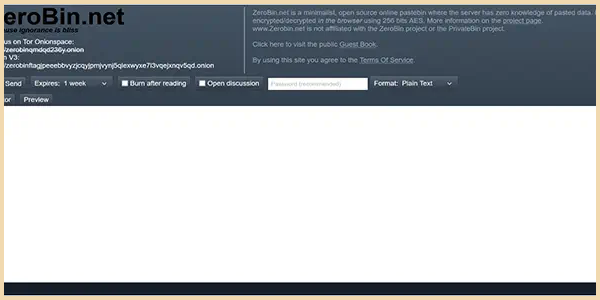
ZeroBin is a wonderful way to share the content you get from dark web resources. It is a reliable messaging tool where you copy/paste a text or image and send it to your addressee.
The good news is that the platform will not see what you copy/paste. Your data is encrypted in the Tor browser before reaching the ZeroBin servers.
Also, you can set a strong password to protect your message and choose how long it will take to expire. So, this is a secure and anonymous communication tool.
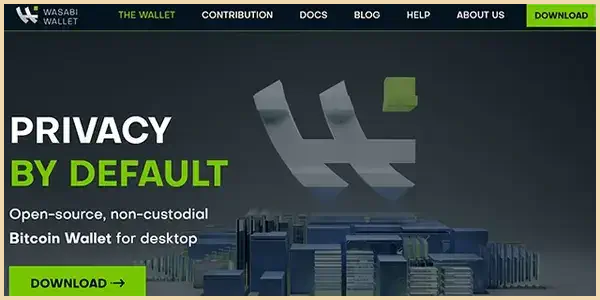
19. Wasabi Wallet
- Direct link: http://wasabiukrxmkdgve5kynjztuovbg43uxcbcxn6y2okcrsg7gb6jdmbad.onion
Wasabi is one of the most popular cryptocurrency wallets on the dark web.
It has a feature called CoinJoin that combines multiple coins from different users into a single transaction. This makes it extremely difficult to find out who you are transacting with.
Another notable security trick Wasabi uses to verify transactions is the Neutrino protocol. It assigns a task to the client instead of the server, eliminating server-related vulnerability.
20. Imperial Library
- Direct link: http://xfmro77i3lixucja.onion/
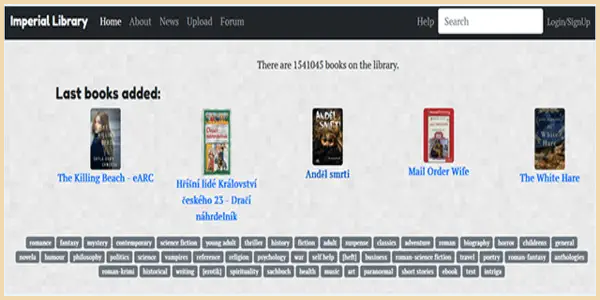
The Imperial Library is a dark website with many digital books. Here, you can get almost any publication you want.
At the moment, it has over 500,000 books in its library. However, you should be careful to avoid copyright infringement.
21. Comic Book Library

- Direct link: http://r6rfy5zlifbsiiym.onion/
If you love comics, this is the right place to be. The .onion site has thousands of downloadable comic books ranging from niche to mainstream. As with the Imperial Library, you should be aware of copyright infringement.
22. Tunnels

- Direct link: http://62gs2n5ydnyffzfy.onion/ | http://74ypjqjwf6oejmax.onion
This .onion platform is a bit different from the others reviewed above.
It contains a link showing the exploits of explorers who enter the big American universities’ tunnel systems.
However, accessing these tunnels is illegal and dangerous. That is why the explorers post their content on the dark web forums rather than the surface web.
23. Deep Web Radio
- Direct link: http://76qugh5bey5gum7l.onion/
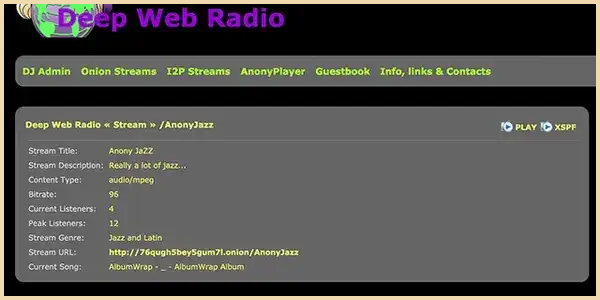
Look no further if you want good music while navigating the dark web. Deep Web Radio is a digital station with a wide variety of music. There are over twenty channels with different music genres.
24. Keybase
- Direct link: http://fncuwbiisyh6ak3i.onion/
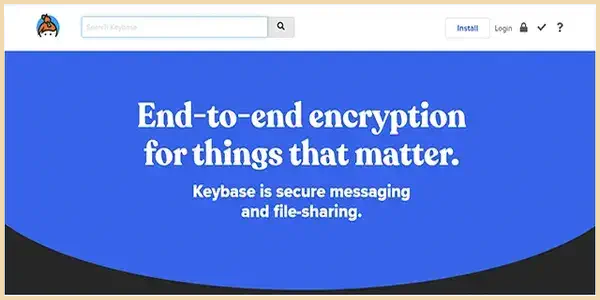
Keybase is a fantastic onion website that lets you cryptographically bring your different online identities together.
You only need to upload your PGP key or let the platform create one. Use it to link your GitHub account, Twitter, Bitcoin address, and Facebook. Keybase uses cryptographic proofs to help others verify your online identity, making impersonation more difficult.
25. The CIA
- Direct link: http://ciadotgov4sjwlzihbbgxnqg3xiyrg7so2r2o3lt5wz5ypk4sxyjstad.onion/
The US Navy’s main reason for creating Tor was to help informants relay information safely over the internet. In the same spirit, the Central Intelligence Agency (CIA) established a .onion site to help people access its resources worldwide anonymously and securely.
How to find new, active dark web links
The biggest and most frustrating part about dark websites is that they live for a short span of time. These platforms keep changing their addresses to avoid DDoS attacks or law enforcement agencies.
Hence, you never know when a popular .onion site is going to vanish, or even die. Though it’s still helpful, a static list isn’t enough (we try to keep our own, the one above, up-to-date, though). The best thing is to actually understand how to find the fresh, new links.
Below, we are going to provide some of the methods you can try:
1. Trusted directories and forums (stay away from the Hidden Wiki)
As we mentioned earlier, the Hidden Wiki isn’t always reliable and may direct you to unsafe or illegal websites. If you’re looking for verified onion links, start with official websites or trusted sources that publish and confirm their own Tor addresses. Even then, double-check the address before opening it, as phishing sites can imitate legitimate services.
Daniel is one of these. The website was counted among the safest and most well-organized dark web portals. Although it’s no longer active, Daniel helped set a standard for organizing and maintaining directories of hidden websites. If you want to find its current links, you can search for terms like “Daniel replacement.”
Another platform is Dread, often called the “Reddit of the Dark Web.” It’s a discussion forum where users share information about sites on the Tor network, review underground marketplaces, and warn others about scams or suspicious addresses. If you want to access it, you need a working link for it. If you’re lucky enough, you can find it on clearnet privacy forums.
2. Search engines (not to expect much)
Just like the regular internet, the dark web has its own search engines to help you discover hidden websites. Even the best dark web search engines have limitations, though, and you may still encounter outdated addresses, irrelevant results, or spammy pages.
One option is to try DuckDuckGo’s .onion version, which is great for privacy. However, it doesn’t index much of the dark web content. Other options include Ahmia and NotEvil, which help users discover Tor-hosted websites through specialized search indexes.
Keep in mind that you have to use very specific keywords when searching. And most importantly, be patient as you have to sort through a lot of useless results. These search engines work best if you already know what site you’re looking for, not for general browsing.
3. Verified social channels and news sites
Reputable news organizations and whistleblower platforms, including ProPublica and SecureDrop, publish official onion addresses that users can verify. For journalists and cybersecurity professionals conducting darknet research, checking these addresses against trusted sources helps identify legitimate services and avoid phishing sites. Some users also share links through encrypted apps like Telegram or Keybase, but you should always verify them before opening them.
Pro tip: You shouldn’t trust a single source for onion websites, especially if it comes from marketers. Whenever you see a new link, don’t just tap on it—it can be dangerous for you. Always double-check and verify it from at least two or more reliable places. This way, you can protect yourself from websites that want to steal your login details or cryptocurrency.
What are onion sites?
The Dark Web is the part of the deep web that is not indexed by search engines, like Google or Bing. For this reason, you cannot browse through these sites using your default search engine.
Onion links have no regular domain names registered under the domain name registry. Instead, they are designed using a cryptographic key and can be accessed only through software like the Tor browser.
It works by sending internet traffic through volunteer-operated nodes all over the world. This network of over 6,000 relays hides your location, thus protecting you from online surveillance and third-party tracking by your websites.
With the Onion Browser, you can access ordinary HTTPS websites on the web. This is a great way to improve your privacy because Tor isolates each website you visit, meaning third-party trackers and ISPs can’t reveal your identity.
However, Tor isn’t suitable all the time. The anonymity provided by onion routing comes at the cost of slowing your internet considerably. As such, we do not recommend using Tor if you want to do data-intensive activities like streaming in HD, gaming, torrenting, or making video calls.
5 Types of dark web sites (and what really goes on there)
The dark web hosts much more than shady marketplaces. You’ll also find privacy-focused communication tools, anonymous forums, independent news outlets, and platforms that help whistleblowers share sensitive information securely. Of course, cybercriminals operate here too, so knowing the difference matters.
If you ever go poking around, here are five types of sites you’re likely to run into:
1. Marketplaces for everything illegal
These are the primary sources of what the general public thinks of as “dark web.” Online marketplaces selling hacked credit cards, fake passports, malware kits, untraceable drugs, anything.
Some markets are relatively short-lived (thanks to law enforcement), but others are notorious enough that they survive, for instance, Silk Road, AlphaBay, and Hansa. None is listed in our article above for all the good reasons.
Some markets even sell privacy tools, but you are more likely to run across counterfeit prescription pills and stolen identities.
Typical payment methods? Cryptocurrencies like Bitcoin and Monero.
2. Anonymous forums
They look like any ordinary forum at first. However, under the surface, they can provide total anonymity.
No user names are tied to actual identities, and no moderation like one may find on Reddit. Users leverage these platforms to organize protests, whistleblow, share survival guides, or share files P2P.
On the other hand, you’d also find dark, unfiltered, inappropriate stuff that most people should not be posting in the first place.
3. Encrypted communication tools
Some dark websites exist purely as a way to talk anonymously. Email, chat, even drop service, privacy first.
For instance, services like ProtonMail and SecureDrop (mentioned above already) have hidden sites for their users who live in countries with high levels of censorship.
This may be one of the only areas of the dark web where the end goal is not a crime.
4. Hacking Hubs
These underground communities bring together people who discuss hacking techniques, exchange cybersecurity information, or trade stolen data. Some also share links to data leak sites, where cybercriminals publish information stolen during breaches, sometimes to pressure victims into paying a ransom.
There are often copious amounts of how-to articles, software exploits, and hacked credentials for sale. Not every visitor is a criminal, but this is where most cybercrimes begin.
5. Media Outlets with a Secret Door
Everything you find on the dark web is not necessarily illegal. As listed above in our article, even respected organizations like the BBC and ProPublica have a version of their site on the dark web.
No one is hiding here—they’re just guaranteeing that people in censored countries can read the news without being flagged.
Some whistleblowers and journalists use these portals and other leak sites to share sensitive information safely, especially when a source requires complete privacy.
These sites aren’t just important resources; they’re like lifelines used to serve readers living under oppressive regimes.
What is the dark web, and how does it work?
The dark web is part of the internet that is not indexed by standard search engines like Google, Yahoo, and Bing. It means you cannot access websites on the dark web with regular browsers like Firefox or Chrome.
Instead, you need specialized software like Tor Browser to access hidden .onion services. This technology makes the dark web accessible while helping protect users’ identities through encrypted connections and onion routing. Behind the scenes, dark web infrastructure relies on specialized networks like Tor to route encrypted traffic between users and hidden services.
The legitimate dark web also serves an important purpose beyond anonymity. It gives journalists, activists, and people living under censorship a way to access independent information and communicate privately without relying entirely on conventional websites.
Dark Web Vs Deep Web: What’s the difference?
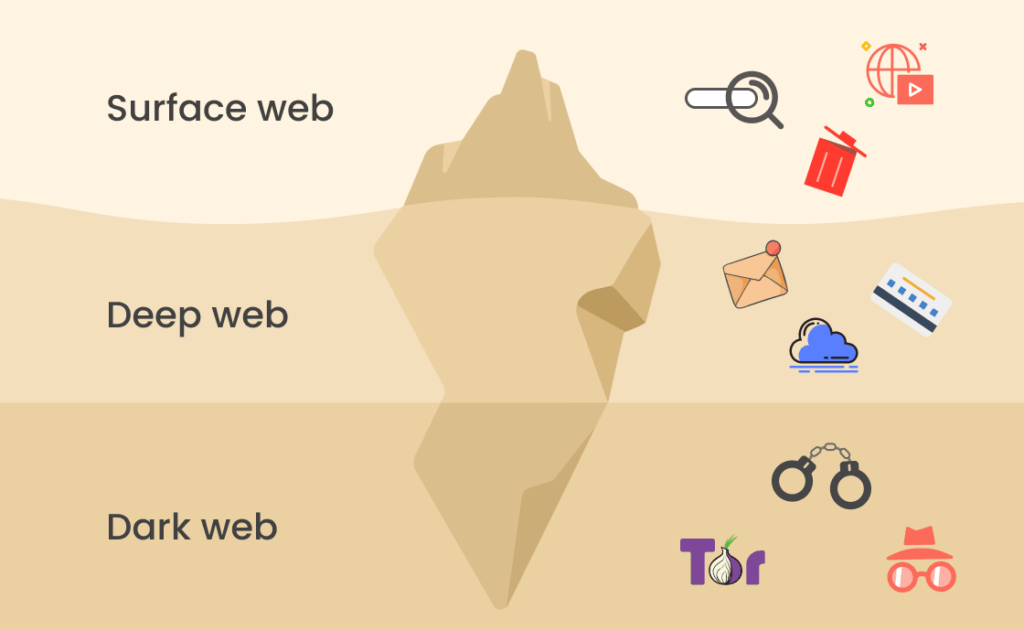
Basically, the internet comprises three parts: the surface web, the deep web, and the dark web. People often confuse these two layers, but they work differently and serve different purposes.
The surface web includes publicly accessible websites like Facebook, Wikipedia, YouTube, and online stores. The main difference between the surface and dark web is how you access them: regular browsers can open public websites, while hidden .onion services require specialized software like Tor Browser.
Whereas the deep web is the part of the web not searchable by traditional search engines and requires special tools to access it. Most content here is password-protected. For example, you usually need login credentials or a direct link to access private accounts, restricted databases, and other pages that search engines can’t reach.
Some of the deep web sites do not use standard top-level domains (TLDs) such as .gov, .com, .net, etc. As a result, you cannot find them with a regular search engine. Other sites explicitly block search engines from identifying them.
Lastly, the dark web is the portion of the deep web that is generally inaccessible and is much larger than the surface web. It relies on P2P connections and requires specialized tools and software. Tor and I2P are the two commonly used tools for accessing the dark web to provide anonymity.
An easy way to find content on the dark web is to receive a link from someone who already knows about it.
The dark web also helps individuals communicate about or sell illegal items such as weapons, drugs, malware, etc. Many people see hacked information and stolen card data being sold on the dark web. However, you can find legitimate content and activities here, too. For example, you can find information unavailable to the public and share data privately while protecting your online identity. Note that most dark web transactions are carried out using Bitcoin or other cryptocurrencies.
All in all, when comparing the deep web vs dark web, the biggest difference is how you access them.
Nevertheless, while it might seem tempting to venture into the dark web, the risks are far more severe than on the deep web. Therefore, if you do decide to explore it, exercise extreme caution.
How to access the dark web
Initially, the dark web was mainly used by government agencies, big businesses, hackers, and cybercriminals. However, technological advancements such as encryption and privacy-focused browsers like Tor enabled the general public to access it.
The US Naval Research Laboratory developed the Onion Routing (Tor) project in the late 90s to support private communication. Today, Tor Browser lets you access hidden websites hosted on the Tor network through special .onion addresses that regular browsers can’t open.
Since the internet is open to everyone, there is no privacy. The early version of Tor was created to mask spy communications. In due course, the framework was remodeled and made public as a secure browser.
Think of Tor as a regular browser like Firefox, Google, or Safari. The only difference is that it passes your traffic through random nodes before reaching the destination. This means your activities cannot be traced or your browser history exposed.
Other ways to access dark web platforms
For most users, Tor Browser is all they need to access hidden services. It supports .onion addresses directly, so there’s usually no need to configure additional software. If you are too concerned, you can consider doing Tor security checks like disabling JavaScript in Tor Browser, turning on the safest security level, and verifying .onion URLs. Still, if you’re highly security-conscious and want more advanced options, the following are for you:
1. Invisible Internet Project
I2P, or the Invisible Internet Project, allows you to access the ordinary and dark web. Specifically, the I2P darknet is accessible, while the Tor network is accessible through the Orchid Outproxy Tor plugin.
To prevent detection, the program routes user data through a tiered stream before allowing access to the dark web.
Another essential security feature is that all incoming and outgoing data from the app is encrypted, including any private and public keys involved.
The Invisible Internet Project’s distinctive feature is its ability to use decentralized file storage with the help of the Tahoe-LAFS plugin.
2. Mozilla Firefox
While accessing the dark web using Mozilla Firefox is possible, you must first adjust its settings.
- Launch the Firefox app.
- Type “about:config” and hit Enter in the address bar section.
- Locate “network.dns.blockDotOnion.”
- Adjust the setting to “False.”
- Restart the app.
Ensure you have the NoScript and HTTPS Everywhere plugins for Firefox before you go into the depths of the dark web.
Note: This method bypasses critical security features built into the Tor Browser (such as isolating sites, preventing fingerprinting, and safe cookie handling). So, we recommend using the official Tor Browser only as the only safe way to access .onion sites unless you have in-depth tech knowledge and know what you’re doing. We are providing this method only for information, we suggest you to not attempt to access them using modified standard browsers like Firefox or Chrome, as this can significantly compromises your security and anonymity.
3. Whonix
The software is available on macOS, Linux, and Windows.
Be sure that your experience with Whonix will be comparable to Tor because both programs share the same source code.
However, there are some significant variances in the background despite the similarities. For example, Whonix’s virtual workstation machine connects to the internal virtual LAN. It can only interact with the gateway, the most effective method by which the browser protects user applications from learning a device’s IP address.
The creators assert that because their technique is so strong, even malware with root access could not determine the machine’s IP address.
Furthermore, it’s critical to understand that Whonix is not a stand-alone browser. It is a component of Whonix, an operating system that functions as a whole inside a virtual computer. It includes all the essential productivity software, including MS Word and an email client.
4. Subgraph OS
The system is designed to provide enhanced security and privacy features. It is based on Tor Browser’s code. Its key features include kernel hardening, application firewall, package security, filesystem encryption, meta-proxy encryption, and binary integrity.
Overall, Subgraph OS is a secure and privacy-focused operating system well-suited for high-risk environments. Additionally, you can opt for Subgraph OS as a second option to Tor.
Onion links: How to access them
Here is how to access onion sites on different devices.
On your computer
- Download and install the Tor Browser for Windows.
- Launch the dark web browser.
- Click on ‘Connect’ on the startup page.
- Now, you can access the dark net safely.
Accessing .Onion sites on Android
- Download and install the Tor Browser app.
- Open the browser.
- Click ‘Connect’.
- Once the connection has been established, the onion icon will appear on the status bar.
- Start surfing the dark web.
On iOS
- Download and install the Onion browser from the App Store.
- Launch the Onion Browser.
- Click ‘Connect to Tor’
- Click ‘Next’ to choose the security level:
- Insecure
- Moderate
- Secure
- Click ‘Start Browsing’ to access the hidden web.
The legality of accessing the dark web
Many people assume the dark web is illegal, but that’s not entirely true.
Simply put, accessing and browsing the dark web is perfectly legal. Accessing the dark web through Tor is legal in many countries, though some jurisdictions restrict certain anonymity tools or online activities. What readers do online also matters, as participating in fraud, trafficking, or other unlawful conduct can carry serious legal consequences.
In fact, you can reap several benefits from it. For example, it can help protect your privacy and let you access untraceable content and services.
Due to its anonymity, the dark web has attracted people who could endanger their lives by revealing their identities on the surface web. They include whistleblowers, abuse and persecution victims, activists, and politicians. At the same time, it is a breeding ground for malicious actors who want to do illegal activities.
Therefore, the legality of the dark web will mainly depend on how you use it. You can quickly get into trouble for acting illegally, such as infringing on other people’s safety and freedom.
Is using the Tor network illegal?
It is legal to use anonymized browsers such as Tor and I2P. They are not exclusively meant for the dark web alone. Nowadays, many people use the Tor browser to surf the public internet and navigate the deeper parts anonymously.
With rising online privacy concerns in the current digital age, the Tor network’s anonymity is becoming essential. It is a good way to prevent third parties from tracking online activities. People in countries with heavy internet censorship must get a VPN or Tor browser to access the surface web.
Remember, illegal activities can still incriminate you, even if you use a Tor browser. For example, you shouldn’t pirate copyrighted material, engage in terrorism, or share illegal pornography. Using an anonymized browser does not make these actions right.
Is it illegal to visit and use dark websites?
Visiting websites through Tor is legal in most countries, although local restrictions may apply. People often use the network for legitimate reasons, such as protecting their privacy, accessing independent news, or avoiding censorship.
Activists and government critics prefer to remain anonymous, fearing repercussions if their identities are revealed. Besides, victims of crime may want to hide their identities from their perpetrators. Nonetheless, if whatever you do is deemed illegal in your country, you can get into trouble.
Tor anonymity comes with a cost since malicious hackers and criminals like to operate in the shadows. For example, perpetrators of trafficking and cyber attacks use the dark web to disguise their actions.
All in all, it is not illegal to access the dark web, but it can create issues for you. If you don’t take the necessary measures, many unsavory activities can expose you to unnecessary risks.
Dark Web common misconceptions and what you can use it for
Your online activity and communications remain private and secret on the dark web. Because of this, some people use it to get around government restrictions, while others use it for illegal activities like smuggling drugs and weapons.
The dark web offers a unique environment for users. It depends on how you use the opportunities it provides to your advantage, whether good or negative. Here’s how an average Joe may utilize it:
- Browse the internet secretly.
- Access documents and websites that are restricted.
- Get free access to thousands of scientific publications and research articles.
- Read unbiased news sources and make cryptocurrency donations.
- Inform the public about dishonest authorities and businesspeople while remaining anonymous.
It’s important to note that although the dark web has many valuable services, it is also a hangout for cybercriminals.
Legitimate use cases for the average user
We are against any form of piracy and illegal activities. If the above-average Joe’s explanation isn’t enough for you, below are some legitimate reasons to use the Dark Web in a bit more detail.
- Accessing uncensored news: It’s a good way for reading international news (like BBC Tor) or investigative journalism (like ProPublica) in highly censored regions.
- Secure and anonymous communication: Using encrypted email (ProtonMail, RiseUp) or messaging services to protect sensitive conversations from surveillance.
- Whistleblowing: Safely submitting information to journalists via platforms like SecureDrop.
- Privacy-enhanced research: As we encourage users to always prioritize safety and legality, using search engines (DuckDuckGo, SearX) and archives (Archive.today) without being tracked is a good use case.
- Accessing academic papers: Using platforms like Sci-Hub to bypass paywalls for research (acknowledging copyright debates).
- Bypassing discriminatory censorship: Accessing LGBTQ+ resources, political dissent forums, or religious content blocked in oppressive regimes.
- Enhanced financial privacy: Using cryptocurrency wallets/services (Wasabi, Blockchain.info) with an extra layer of anonymity.
Types of threats associated with the dark web
The dark web is often associated with many misconceptions. Hence, many people wonder if it is safe to use. Remember that the dark web can be dangerous if you only consider using it for basic privacy purposes. Here are some of the common dark web dangers that users can face.
1. Scams
Many services that are allegedly offered on the dark web are scams. Some services are genuine; you can get what you want at an agreed fee.
Unfortunately, others are fake and fraudulent websites that exploit the reputation of the dark web to con people. Moreover, malicious actors can attempt phishing scams to steal your data and identity for extortion.
2. Government monitoring
Government authorities across the globe are taking over many Tor-based sites. In fact, there are growing concerns about law enforcement monitoring what is happening on the dark web. For example, the Silk Road site operator, an illegal dark web marketplace, was traced and arrested.
Law enforcement agencies use specialized tools and investigative techniques to monitor dark net activity, identify cybercriminals, and track illegal operations. While Tor helps protect users’ privacy, it doesn’t guarantee complete anonymity, especially if you reveal personal information or visit malicious websites.
In some countries, evading government restrictions to seek new political ideologies is punishable. For example, China uses the Great Firewall to block access to Western sites. Accessing blocked content can result in being placed on a watch list or imprisonment.
3. Malicious software
The dark web is a hub for all types of malware. Many dark web sites offer malware as a tool for cyberattacks. Since malware lingers across the dark web, your device can easily become infected, even if you are an unsuspecting user.
Many dark net sites do not undertake the necessary measures to protect users like most websites on the surface web. As a result, you can be exposed to different malware types, including botnets, ransomware, keyloggers, and phishing.
You risk encountering malware and other cyber threats when exploring unfamiliar websites without proper protection. For businesses, dark web monitoring tools offer another layer of defense by helping security teams detect exposed credentials, leaked company data, and early signs of potential breaches.
While Tor offers anonymity on the dark web, your online activities leave breadcrumbs that can reveal your identity. That is why you should only use a reliable VPN like ExpressVPN or NordVPN for additional security and privacy. Note that a VPN may provide additional network privacy in certain situations, but it cannot prevent every form of tracking, malicious software, or identity exposure. Readers should understand these limitations rather than relying on a single security product for protection.
What to do if you see something illegal
We recommend you only visit safe dark net links to explore such as The CIA, Facebook, DuckDuckGo, and Torch.
However, no matter how much you try to stick to legal websites, you can still land on illegal or highly disturbing content. If this happens, don’t panic. The most important thing is to react responsibly here. To help you, below is what we recommend you do in such a case:
1. Do not engage. Close your windows immediately.
If you open a link and find out an illegal website, such as an illicit marketplace that is distributing banned products (arms sales), or if it is a website that has exploitative and abusive material present on it, do not explore it any further.
Don’t download anything. Immediately close your entire Tor Browser window (not just that active tab). Note that engaging with the content in any way is not only distressing but could also put you at legal risk. This is because law enforcement often actively monitors these sites.
2. Report it to the authorities (if it’s safe to do so)
If you are in a position to report the incident safely, you should report it to the authorities immediately. It’s recommended not to be too vigilant here and leave the investigation to the professionals.
- If you’re in the United States, you can report cybercrime to the FBI’s Internet Crime Complaint Center (IC3) and any child exploitation material you see to the National Center for Missing & Exploited Children (NCMEC) using their CyberTipline.
- In other countries, you might want to look for the official cybercrime unit of your national police force, as many (e.g., the UK, Australia’s ReportCyber, Singapore, India, and the Royal Canadian Mounted Police, etc.) have anonymous tip lines.
3. Use an organization’s help
Today, many organizations exist that are created only to handle these reports anonymously and effectively. They know how to process the information and get it to the correct law enforcement agencies internationally.
4. Secure your system and mental well-being
- Digital security: If such an incident happens, you must clear your internet browser’s cache and cookies (it’s a secure practice). Also, consider scanning your system with a reputable antivirus like TotalAV.
- Mental health: Know that seeing extreme illegal or disturbing content can be psychologically devastating. It can really mess with some people’s minds. If it bothers you, talk to someone you trust or seek professional support.
Remember: Your primary responsibility is to keep yourself and your well-being safe. The best step is to always disconnect immediately, report the incident to officials through anonymous channels, and avoid interacting any further.
Tips to stay safe when using the dark web
If you want to connect to the dark web, make sure to do it safely. Here are some useful tips you can use.
1. Separate your real life from your online persona
Relying on software (VPN, antivirus) for security is good. But you shouldn’t overlook the behavioral aspects of OpSec (Operational Security) because they are just as critical.
You should never use your personal information on the dark web that you use anywhere else in your life. In fact, create new throwaway accounts and documents if possible. Ensure you have used prepaid and unidentifiable credit cards when purchasing on the dark web. Avoid using payment methods that can easily expose your identity.
2. Trust your instinct
It is imperative to stay alert and trust your gut when on the web. Do not trust anyone, as most aren’t who they claim to be. Also, avoid dark web file uploads and downloads.
Be careful when exploring unfamiliar websites through Tor. If an address looks suspicious or comes from an unverified source, avoid opening it.
3. Use active monitoring for financial and identity theft
Many online services offer identity theft protection and alerts for compromised personal information. You can also run a dark web scan to check whether your email address, passwords, or other sensitive data have appeared in known breaches.
Dark web monitoring helps you detect potential dark web exposure by checking whether your email address, passwords, or other sensitive information appear in known data breaches. If a service alerts you to compromised information, change affected passwords and enable two-factor authentication to secure your accounts. Keep in mind, though, that no monitoring tool can detect every leak.
4. Disable Java and ActiveX in your network settings
ActiveX and Java frameworks are vulnerable to exploitation by hackers. Since you are navigating in uncharted territories with all the myriad threats today, you’ll have to disable them in your network settings to stay safe.
5. Avoid downloading dark web files
Since the dark web is a hidden and uncontrolled part of the web, there is a high amount of malware infections present there. As a result, you should avoid opening unfiltered sources, torrent sites, and dark web links unnecessarily and downloading every file you come across.
Also, use an effective antivirus program to check threats if you decide to download files. You can check out this guide on the best antivirus software applications today.
6. Use a secondary non-admin account
Most likely, the native account on your device has full admin permissions by default. Many malware take advantage of this vulnerability to launch an attack. Therefore, you can prevent this exploitation by setting up a non-admin account.
How to access .onion sites safely
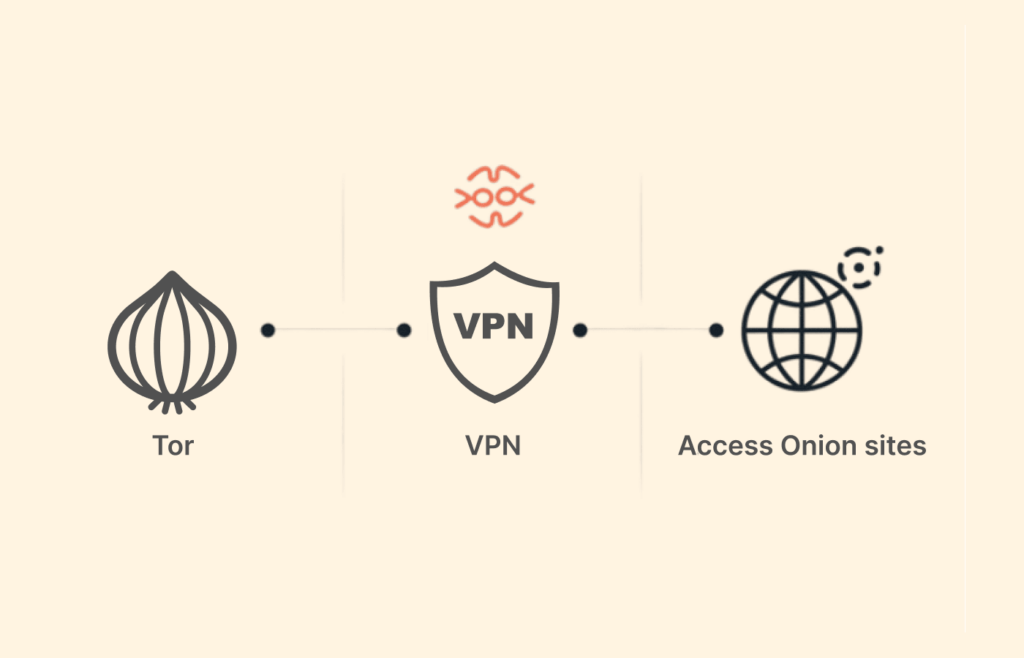
The Tor browser allows you to browse the internet anonymously and visit inaccessible sites. It will encrypt your traffic and data so no one can intercept it.
However, third parties such as the government and your internet service provider (ISP) can see that you are using Tor. Although the browser can be used legitimately, it is often associated with illegal activities. This can raise red flags; in some countries, ISPs block Tor connections completely.
A virtual private network (VPN) is a good way to mask Tor activities. It adds an extra encryption layer and passes your traffic through a secondary server of your choice, preventing anyone from seeing that you are accessing the web via Tor.
A quick guide on how to use a VPN with Tor
- Choose a well-established VPN provider. We recommend NordVPN because of its blazing-fast speeds, watertight security, and massive server network.
- Download and install the VPN app on your device or router.
- Run the app and connect to any preferred server.
- Start browsing Onion sites safely and anonymously.
Note: Important VPN considerations with Tor
- Trust your provider: Using a VPN adds another entity that could potentially log your connection (though reputable no-logs providers like those listed minimize this risk). You are placing significant trust in the VPN provider, which makes our recommended VPNs your go-to choice.
- Configuration matters: Tor-over-VPN (VPN then Tor Browser) is the common setup and hides your Tor usage from your Internet Service Provider. VPN-over-Tor (Tor Browser then VPN) is complex, rarely supported, and often less secure and anonymous.
- Not a magic shield: Everyone must avoid any illicit activity regardless of the setup they’ve. A VPN does not make illegal activities legal. It primarily adds a layer of encryption before Tor and hides Tor usage from your ISP.
Best VPNs for dark websites
Wondering what the best dark web VPN to use with Tor is for accessing the best onion sites on the dark web? To make it easier for you, we tested over 20 VPN services based on the following criteria:
- Compatibility with the Tor network
- Robust security and privacy measures
- Zero-logs policy
- Anonymous payment methods
- Obfuscated servers (which are good if you are in a country that blocks Tor/VPNs)
- Fast speeds
After that, we could finally pick the best three. So, below you go with the top VPN picks to use with Tor.
| VPN | Key Features | No-Logs Policy | Anonymous Payment | Money-Back Guarantee |
|---|---|---|---|---|
| NordVPN | Onion over VPN, kill switch, RAM-only servers | Yes | Yes (crypto) | 30 days |
| ExpressVPN | TrustedServer tech, fast speeds, Tor support | Yes | Yes (crypto) | 30 days |
| Surfshark | Unlimited devices, Camouflage Mode, CleanWeb adblock | Yes | Yes (crypto) | 30 days |
1. NordVPN
A reliable, fast, and user-friendly VPN service offering lots of customizable options for privacy geeks. Seamlessly supports dark web surfing.
 8,000+ servers in 126 countries
 Boasts P2P optimized servers
 Double encryption mode
 10 simultaneous device connections
 30 days of pay-back guarantee
 Super-strong protection for web leaks
 Has double VPN feature
 Comes with customizable kill switch
 SmartPlay feature
 Has Tor compatibility
Pros
- Advanced security and privacy measures
- Onion over VPN special servers
- Effective ad and malware blocker
Cons
- Inconsistencies between apps
NordVPN is one of the best VPNs to combine with the Tor browser whenever you want to surf dark sites. It offers top-of-the-line security and fast speeds for a smooth browsing experience on the dark web.
The most interesting thing about NordVPN is its built-in Onion over VPN feature. It encrypts your traffic at the entry node and changes your IP address. This means you will get a VPN’s security and enjoy the anonymity of the Tor network simultaneously.
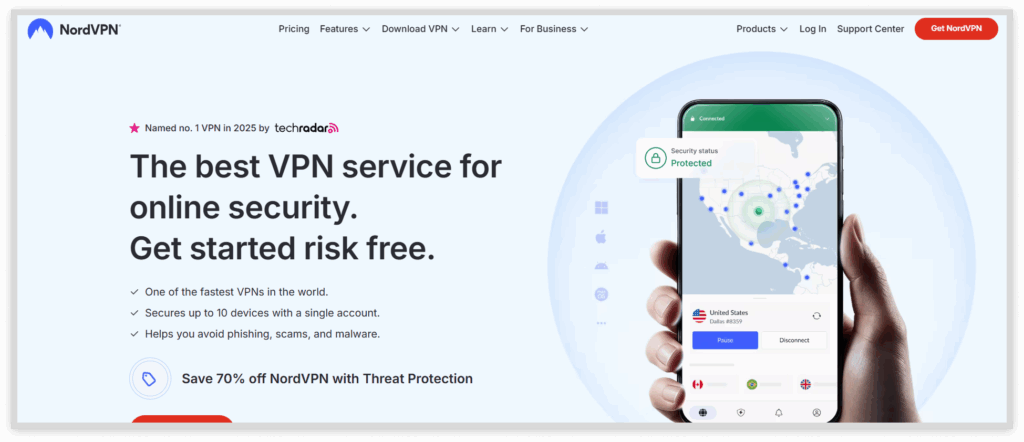
NordVPN uses state-of-the-art features for utmost protection. This includes military-grade 256-bit encryption reinforced with a 2048-bit DH key and SHA2-384 authentication to ensure your traffic arrives at its destination safely. This adds extra protection since opening Tor itself encrypts your traffic.
On top of that, the provider offers perfect forward secrecy (PFS). Plus, it supports reputable OpenVPN and IKEv2/IPSec protocols.
Moreover, NordVPN is a service that doesn’t store or log your search results. It is also based in Panama, which is not a member of the 5/9/14 Eyes Alliance.
Besides, NordVPN supports six simultaneous device connections on a single subscription if you wish to use Tor on multiple devices.
The provider also offers a dedicated CyberSec suite that prevents annoying ads and blocks malware and trackers.
Take advantage of the 30-day money-back guarantee if you want to try it before committing to a plan. You can quickly contact customer support through their 24/7 live chat to request a refund.
Explore this detailed NordVPN review for more information.
2. ExpressVPN

A top-of-the-line VPN network that ensures maximum security while accessing dark sites online.
Over 3,000 servers in 105+ countries
Supports P2P connections
 Has effective split tunneling
AES 256-bit solid encryption
Allows up to eight connections at once
 TrustedServer technology
No leaks
30 days refund policy
Pros
- No IP/DNS leakage
- Easy to install on router
- A refund policy in case you don’t like its services
Cons
- High cost of subscription
ExpressVPN is an excellent choice for Tor and accessing the Dark Web. It has a proprietary onion service in the Tor network to give you safe access even if your country restricts VPN usage.
The VPN hides your traffic with AES 256-bit encryption. This will help you to remain anonymous and secure at all Tor entry and exit nodes. It uses TrustedServer technology on the entire server network to wipe out your data after every session. This means that there will be no data to track your activities.
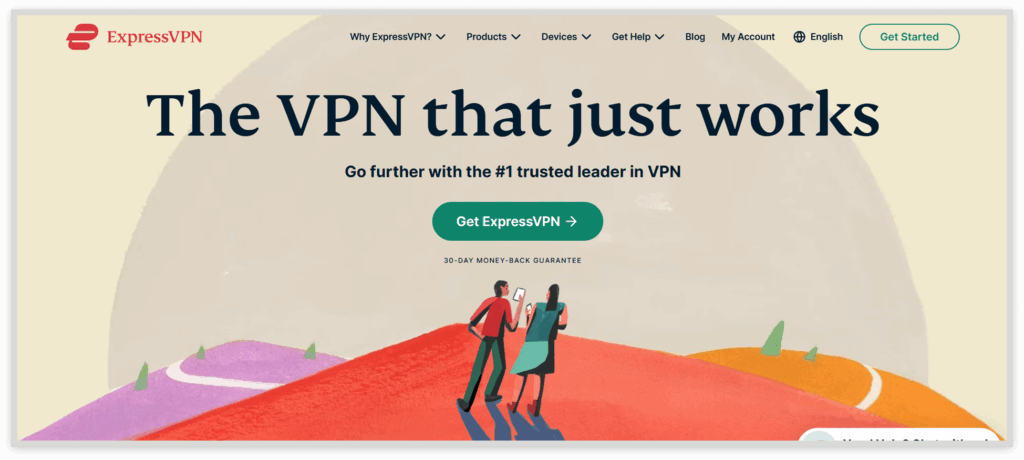
It offers multiple security protocols, including OpenVPN UDP/TCP, L2TP/IPSec, and PPTP. OpenVPN is the default option for most apps and is the most stable, with minimal impact on your speeds.
ExpressVPN observes a no-logs policy. In addition, it has an automatic kill switch (Network Lock) that stops traffic if the VPN connection fails. Accidental leaks at the Tor entry nodes can potentially expose your IP address.
Since Tor has to pass your traffic through several nodes, it will slightly slow your speeds. ExpressVPN will mitigate the issue as it has super-fast speeds. You can use the Smart Location feature for the fastest connections.
Unfortunately, ExpressVPN does not offer an ad blocker. However, you can check out this guide for the best ad blockers to avoid annoying ads.
The VPN supports the Bitcoin payment method if you want to subscribe anonymously. All the plans come with a 30-day money-back guarantee, so you can try the services risk-free.
Learn more about this provider in this in-depth ExpressVPN review.
3. Surfshark

A budget-friendly VPN service allowing users to access dark web safely anytime, anywhere, and on any number of devices they want.
Over 3200+ servers in 100 countries
Robust AES 256-bit encryption
MultiHop mode
No limit for simultaneous connections
Refund your money within 30 days
 Boasts CleanWeb feature
 Has effective Camouflage mode
Pros
- Extremely easy to use
- Accepts Bitcoin payments
- Affordable plans
Cons
- Some servers are unresponsive
Surfshark is a budget-friendly option for Tor. It is a relatively new provider but offers better features than most established VPNs.
How secure is Surfshark? The VPN will protect your traffic when you connect with military-grade AES 256-bit encryption. This is high-level protection; no one can intercept your data or activities.
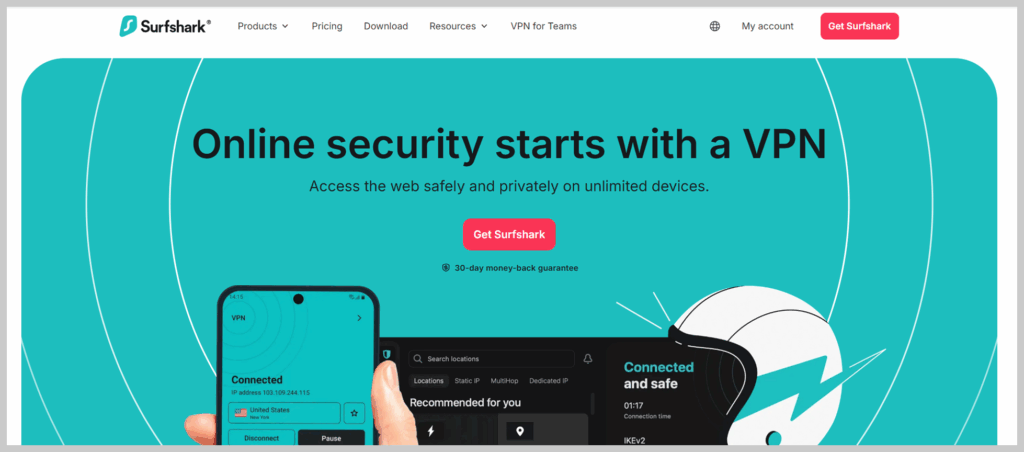
The Camouflage Mode is intended for people living in countries with heavy internet censorship, like China. It will make your VPN activities seem like normal traffic, so you can use an uncensored internet. However, this feature is only available on iOS, Android, and Windows.
Surfshark has an ad blocker dubbed CleanWeb. It is effective to stop annoying ads, even on YouTube. This feature also keeps you safe from trackers and malware.
If the VPN connection fails, the automatic kill switch will kick in, temporarily breaking your traffic. DNS/IPv6 leak protection prevents accidental identity leakage.
Another Surfshark feature that stands out is the MultiHop mode. It will route your traffic through multiple servers instead of one, making tracking your data and activities even harder.
Do you want to access the Onion sites with multiple devices? Surfshark supports unlimited simultaneous connections to protect as many devices as possible. Also, try its services risk-free with the 30-day money-back guarantee.
Please read this extensive Surfshark review to find out more about this VPN.
FAQs
Yes. However, most are outdated and have not kept up with the changing landscape. They look like web search engines in the 90s. For example, DuckDuckGo is the most popular but often shows repetitive results and sometimes returns unrelated results.
The US government created the dark web to help its spies communicate and exchange information securely. The Onion Router (Tor) also made the technology available in 2002.
Taking the necessary precautions makes tracing your activities on the dark web difficult. For example, I strongly advise using a reliable VPN like NordVPN. Although the Tor browser has sufficient encryption, combining it with a VPN offers better protection. However, you should not see it as an opportunity to engage in illegal activities to avoid trouble with authorities.
Onion sites aren’t really dangerous, but they could be when accessed through unfamiliar or suspicious links. Since most cybercriminals and malicious individuals utilize the dark web to carry out illegal activities, it’s best to secure yourself with a VPN and antivirus software so that you can keep away from all the dangers of the dark web.
No. Tor Browser can access .onion sites without a VPN. While a VPN can change what your internet provider sees about your connection, combining it with Tor doesn’t automatically make you safer or more anonymous. In fact, an incorrect setup may create additional privacy risks. For most people, Tor Browser already provides the tools needed to connect to onion services.
No. The dark web hosts legitimate services alongside websites linked to criminal activity. Organizations use onion sites to support private communication, independent journalism, and access to information in censored regions. However, some platforms sell stolen information, illegal drugs, or malicious software. The technology itself isn’t inherently illegal, but certain activities conducted through it can violate the law.
Daniel was a good way to explore the dark web. It hosted over 7,000 .onion categorized links to make surfing the web easier. One of Daniel’s impressive features was the built-in functionality that showed whether a particular dark website is online. After more than a year of no updates, the site admin shut it down, reasoning that he couldn’t keep the list of onion links up-to-date.
Hidden Answers was the dark web’s version of Quora or Reddit. You could ask whatever you wanted without getting censored. It could initially look abandoned, but the community members answered questions in the end. It served as a great place to learn more about it for people new to the dark web. However, the owner shut it down when the TOR network moved to v3 URLs (allegedly for personal reasons, as per some Reddit user comments).
SearX was a metasearch engine that you could use on the clear web and the dark web. It did not share IP addresses or web search history to protect users’ privacy. In addition, it blocked tracking cookies to prevent user-profiling-based results. Your queries would be submitted through HTTPS POST to avoid keywords from appearing in the web server logs. The best part was that you could search for detailed queries. It allowed you to search for images, maps, files, videos, social media posts, and more. This open-source, privacy-focused engine is no longer maintained; in 2023, its developers archived the project’s main GitHub repository, marking the end of its development.
Sci-Hub offered a massive database that eliminated the barriers to getting scientific knowledge. It contained millions of scientific research documents from around the world. The site seeks to liberate information by making it free to individuals and institutions. It aimed to advance research on terminal illnesses like cancer with access to unbiased scientific publications. However, the website suffered continuous outages, most probably because it operated in a legal gray area, bypassing publisher paywalls, which led to ongoing copyright lawsuits and domain seizures. Sci-Hub remains down as its mission of open access is debated within academic and publishing communities. Its last-known working domain is sci-hub.usualwant.com.
Yes, SecMail appears to be down at the moment, with its known .onion service currently unavailable. SecMail was one of the more popular email services on the dark web. It focused on private communication and supported PGP-encrypted messages. However, it limited data to only 25mbps per user. While that may seem low compared to standard email services, it was generally enough for sending lightweight, encrypted messages.