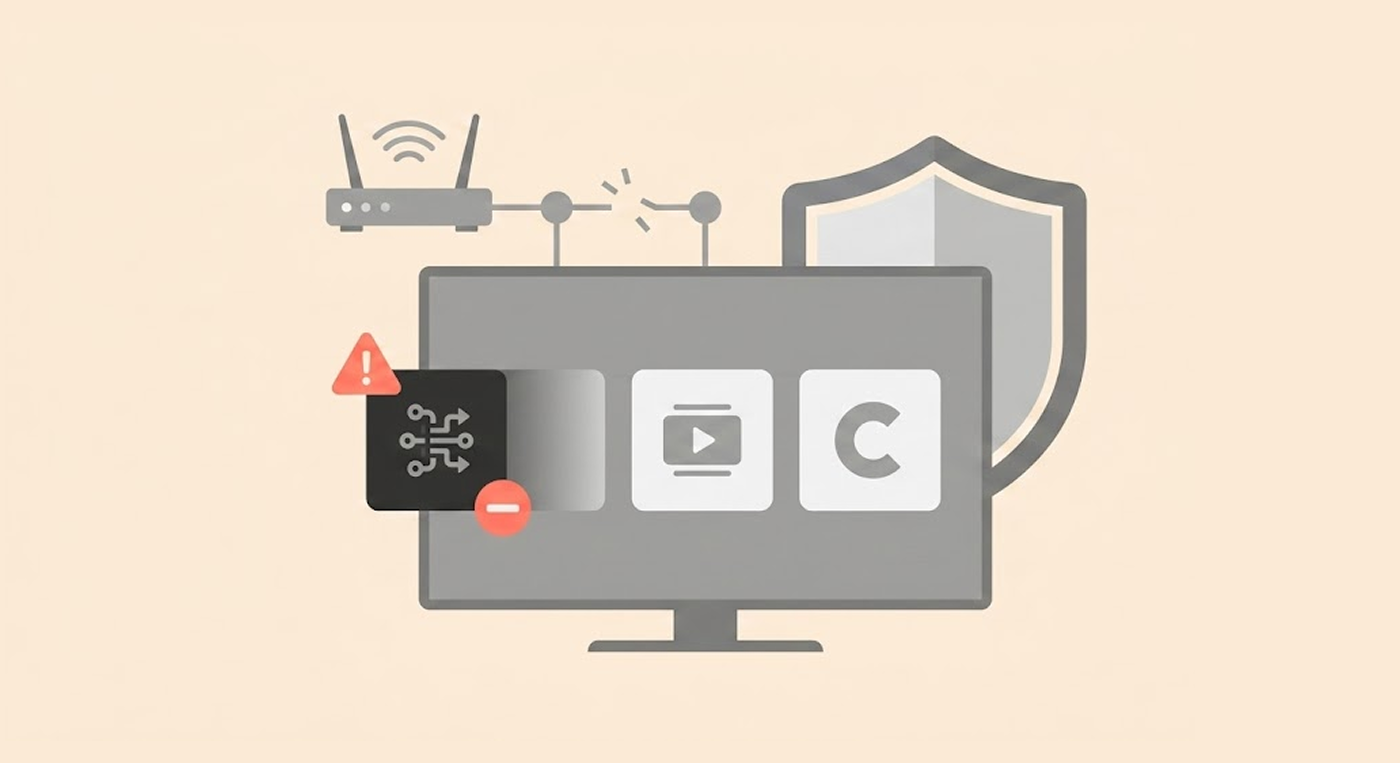
Samsung just began to remove Smart TV apps that contained software capable of sharing users’ home internet access with third parties. The company made the move after security researchers found residential proxy software development kits (SDKs) inside several Smart TV apps.
Samsung also introduced new rules to stop developers from adding the same software to future apps. According to reporting by TechCrunch and The Times of India, the company is already removing affected software from its TV app store.
LG recently announced similar action after the same research uncovered the software across its own Smart TV platform. Researchers said many Smart TV apps included residential proxy SDKs that could turn televisions into part of a residential proxy network.
According to Krebs on Security, the software could allow other companies or users to route internet traffic through a person’s home connection instead of using commercial data centers.
Researchers explained that users usually had to agree to a prompt before the feature became active. However, those prompts often appeared harmless. Some simply offered an ad-free viewing experience. People who accepted the offer could unknowingly allow their home internet connection to become part of a proxy network.
Samsung tightens Smart TV app rules
Samsung confirmed it has blocked new Smart TV app submissions that include residential proxy software. The company also updated its developer policies to ban this type of software completely.
It is now reviewing existing apps and removing those that contain the banned components. LG has announced a similar crackdown, confirming it would remove affected apps from its webOS store after researchers found the same software in more than 42 percent of apps examined. The changes are part of Samsung’s effort to stop the software from appearing in its Smart TV ecosystem, according to The Times of India.
The research that triggered the policy change found the software across a large number of Smart TV apps. According to Krebs on Security, more than one-quarter of Samsung Tizen apps examined contained residential proxy SDKs. The researchers also found the same software in more than 42 percent of apps available through LG’s webOS store.
The findings raised concerns because televisions connected to these networks could relay internet traffic for outside parties. Researchers also warned that reviewing Smart TV software can be difficult because some apps act as simple shells.
After installation, those apps may download more features later. That makes it harder to detect unwanted behavior during the first review process. Samsung’s updated rules aim to close that gap by banning residential proxy software entirely.
X users question Smart TV security
Samsung’s announcement quickly sparked discussion across X. Many users questioned how software with residential proxy features reached official Smart TV app stores.
According to X user @SigVelxar, it seemed obvious that the apps were closely tied to the television systems. The user also urged people to stop buying Samsung and LG products. However, the report noted there is no evidence that either company intentionally placed the proxy software on their platforms.
Another X user, @dalishnathan, described the discovery as a serious breach of consumer trust. The user added that it was encouraging to see Samsung and LG removing the affected apps.
Others wondered whether the issue reaches beyond Smart TVs. According to @404Gaming, many smart home device apps could be using similar software, whether developers included it on purpose or not. The comment reflected wider concerns about connected devices across the Internet of Things.
Some users also called for more openness. @ToastedFor2Long said manufacturers should release a full list of affected apps so owners can remove them from their televisions if needed.
Meanwhile, @_UltraSoft said the incident confirmed a personal decision to avoid certain brands. The user also said they plan to inspect internet-connected devices at home and disable network features that could support similar activity.
Privacy concerns return as Samsung removes apps
The online reaction highlights growing concerns about privacy in connected home devices. Many users welcomed Samsung’s decision to remove the affected apps.
At the same time, the incident has renewed questions about how Smart TV software is reviewed before becoming available through official app stores.
Samsung’s latest policy changes are designed to prevent developers from adding residential proxy software in the future while removing existing apps that contain it.
The company joins LG in taking action after researchers uncovered the software inside Smart TV apps, bringing fresh attention to how connected devices handle users’ home internet connections.
