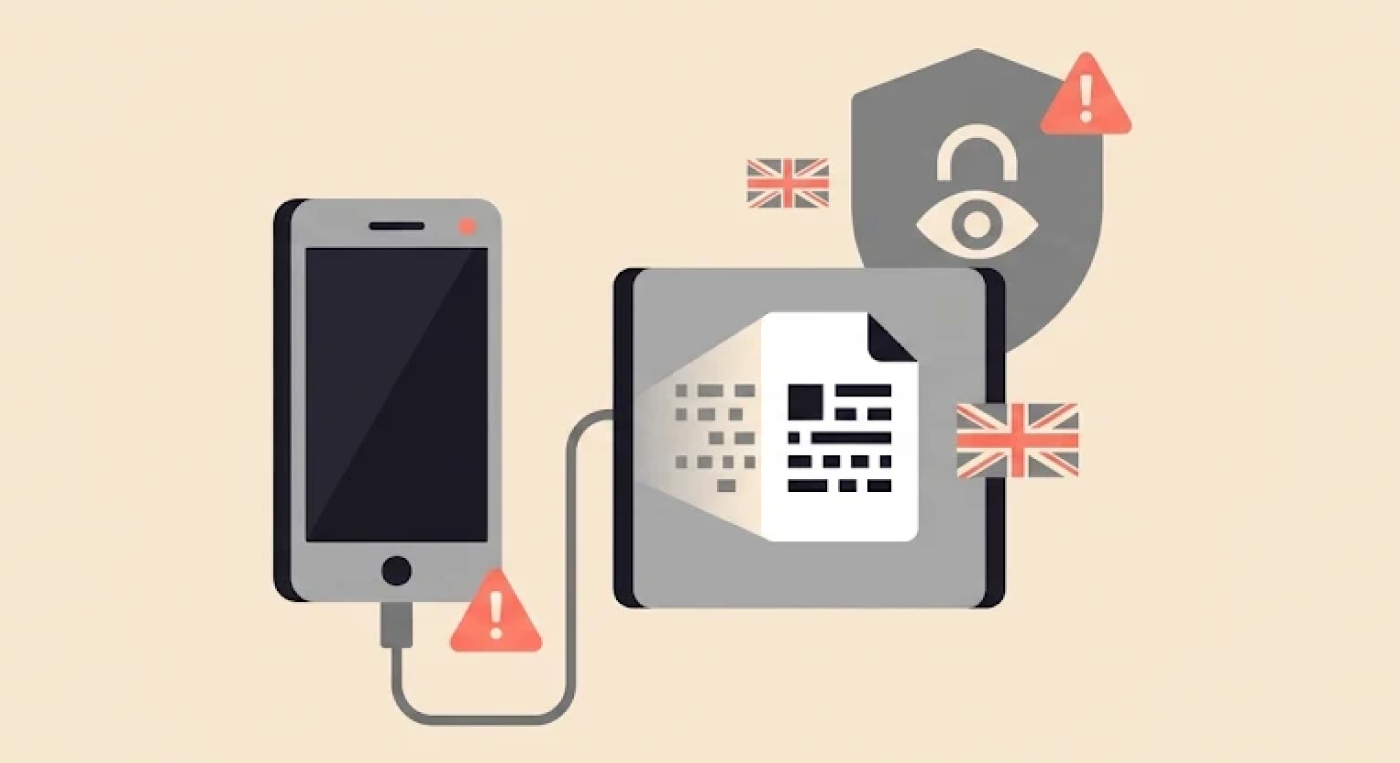
A bipartisan group of lawmakers in the United Kingdom is promoting legislation that forces all smartphones or tablets sold in the UK to have scanning software. Also, the technology will apply to devices people already use via mandatory download updates. This scanning software would examine all images and videos, including live broadcasts, for the presence of child sexual abuse material.
Conservative John Nash and labor MP Jess Phillips are spearheading the campaign. According to Nash, the UK has a responsibility to introduce such legislation because it is one of the biggest consumers of such illegal content globally. The group plans to make the enforcement of this requirement a part of the new National Security Bill if ministers fail to act first.
What the proposed software would do
This software would operate on the device of the user instead of using the server. Moreover, it would apply AI technology that makes the scanning of images and videos available in real time. Once the algorithm makes a match between the scanned contents and abuse materials, it would block or blur the image/video before the user has the opportunity to watch, send or save its contents.
Further, the software would stop even livestreams of abusive actions. This blocking would occur automatically and the user wouldn’t be able to deactivate the function. People with older mobile devices would receive a forced update on their phones for the installation of the software.
Some defenders of the plan say that it ensures the privacy of users. This is because the reporting takes place on the device, so nothing goes off it. Moreover, the procedure of scanning occurs within the device and no data ever goes to the servers of any company. The Home Office does not consider it as client-side scanning, but many critics believe otherwise.
The description of the system technical characteristics is still unclear. The campaigners have not published a specification for how the software would identify abuse material, who would train the AI models & how often they would update.
The scale of the problem
The Internet Watch Foundation reported a total of 311,610 cases that involved child sexual abuse images in 2025. This figure represents a 7 percent increase from the previous year. Also, the charity noted that in 2025, there were 3,443 cases of AI-created abuse videos. This data is more than 260 times the number of such cases in the previous year.
According to Nash, technology companies are more than capable of creating the needed tools. He cites the examples of Apple and Google, both worth over a trillion dollars & possess the technical means to create the necessary technologies. Also, he believes that the harm to children as victims is far more important than freedom of speech.
Jess Phillips resigned from the government partly due to its lack of progress in terms of ensuring child online safety. Phillips is now leading the campaign for new technologies that could help to blur or eliminate inappropriate images & videos.
The rise of AI-generated imagery worries investigators. For example, images that previously were difficult to create are now possible in a matter of minutes. Offenders are capable of creating realistic imagery without any actual victims. Such a shift makes it more difficult to detect & raises the number of illegal content available online.
Privacy and security concerns
Many industry professionals and privacy advocates came forward with their opposing remarks regarding the proposed plan. They pointed out that having businesses check private messages constitutes a bad practice. If scanning for a type of material starts, the authorities may expand to all other types of messages they label harmful. Similar concerns have emerged in Europe, where the EU Chat Control proposal stalled amid encryption and privacy concerns following opposition over the implications of scanning private communications.
The encrypted messaging app Signal asserted that the proposal implies mass surveillance. In its statement, Signal notes that the implementation of such technologies does not remain in a narrow scope. It points out that real child safety means better education plus stronger social services. The act should not be just scanning every device & looking for undesirable content.
Apple attempted to implement a similar procedure with its system scanning iCloud and iMessage in 2021. Privacy advocates and specialists opposed the initiative from Apple, which the company later cast aside in 2023. The chief of the company’s privacy department stated that monitoring users’ private information creates risks and allows for large-scale spying.
Critics caution about incorrect results. The AI technology will not differentiate family romantic dinner photos or medical photos from suspicious ones. Therefore, the system must have a way to correct itself without exposing its users to any risk.
Experts in security raised other issues. The scanning tool has become the target for criminals. If a hacker gets hold of the scanning technology, they can either use it to see what the victim is doing or gain access to their private pictures.
Where the government stands
The government is already planning to pass legislation on a restricted version of the proposed scheme. In September, Culture Secretary Lisa Nandy said that Apple and Google have failed to protect children. She promised to make them incorporate protection technologies into devices used by children.
The plan is only for children’s phones. Activists are demanding that the same technology should be available on all devices regardless of the age of a user. Thus, this presents a significant change for the companies and users.
The ministers have not endorsed the comprehensive technological scheme. In case of a refusal, Nash intends to amend the proposed National Security Bill. He succeeded in implementing the ban on under-16 social media and hopes for the same success in the House of Lords.
