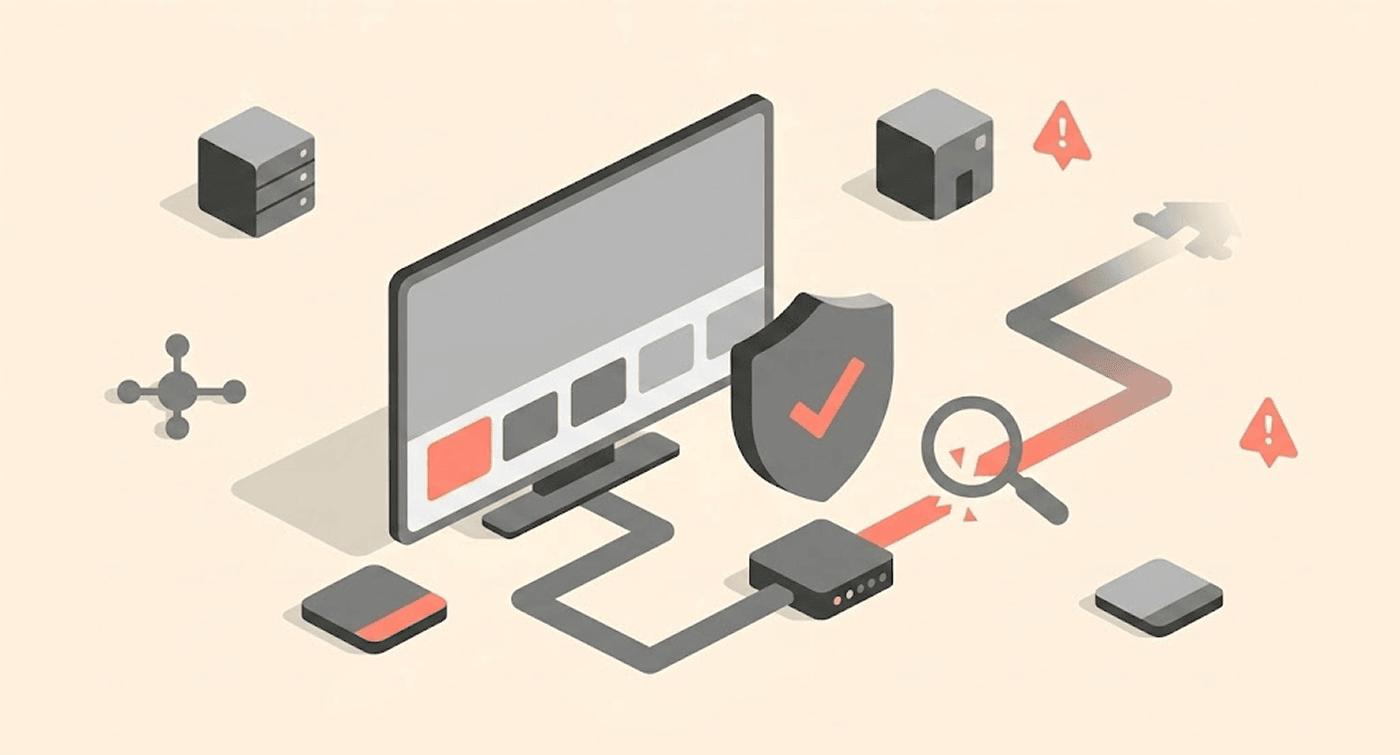
LG Electronics USA plans to remove smart TV apps that turn televisions into residential proxy nodes. The company announced the move after researchers found a serious problem with some LG webOS apps. Researchers found that more than 42 percent of LG smart TV apps contained residential proxy software.
These programs can let unknown third parties send internet traffic through a user’s television. The finding raised concerns because many people do not know their smart TV can act this way. The company now says it will work with app developers to remove the feature. LG also warned that developers could lose access to its platform if they refuse.
LG moves against proxy software
Security firm Spur studied residential proxy software in smart TV apps. The company found the software inside more than 42 percent of apps available for LG smart TVs. Spur also found similar proxy features in more than one-quarter of apps for Samsung’s Tizen system.
The research showed that proxy software appeared in many types of apps. These included simple games, screensavers, and file management programs. The software can turn a smart TV into a proxy node for paying customers.
Proxy companies can then use the device’s internet connection to send online traffic. LG Senior Vice President John Taylor responded to questions about the research. Taylor said LG was already working with developers to remove the proxy feature.
He also warned that LG could suspend apps that fail to remove the software. According to Taylor, residential proxy networks do not serve the intended purpose of LG smart TVs.
The proxy software controversy follows another major security issue; hackers have allegedly dumped LG’s secret code on the dark web. He said LG wants developers to remove the feature from their webOS apps.
Taylor also said LG will suspend apps if developers leave the feature in place. LG says its review of smart TV apps is already underway. The company also plans to improve how it checks apps before developers publish them. LG said the review will include apps that contain residential proxy software.
Researchers warn about hidden risks
Spur’s research found that Bright Data accounted for most proxy software found across LG and Samsung smart TVs. Bright Data did not respond to requests for comment about the findings. Bright Data and other proxy companies named in the research defend their services.
The companies say they use strict customer checks to confirm legal and proper uses. They also say customers often use their services to collect information from websites. The companies claim they use technical safeguards to stop customers from accessing other devices.
Those safeguards aim to protect devices connected to the same home network. Spur says the main concern involves how widely proxy software appears in consumer devices. Many smart TV owners may not think of their televisions as computers. They may also lack the tools needed to check what software runs on their devices. Spur researcher Trevor Sutter said a single consent message does not provide enough protection.
He explained that users need clear information, control, and proper checks from platforms. Sutter also warned that some people who accept these messages may not have authority. For example, a child could use the television without understanding what consent means.
Spur says this creates another concern when proxy software reaches millions of consumer devices. The research highlights how software inside everyday devices can create risks that users may not notice.
LG faces another software complaint
LG’s decision comes as the company faces another complaint about software linked to its products. Earlier this week, the YouTube channel Gamers Nexus reported a separate issue involving LG monitors.
The channel said some LG LCD monitors automatically install software that promotes paid McAfee antivirus plans. The report said the software arrives through Windows Update without showing an approval prompt.
The software promotes security products from McAfee, according to the report. The issue adds another software concern for LG as the company works to address proxy apps. LG says it will continue reviewing apps submitted by developers for its webOS platform.
The company also says it will strengthen its checks to improve platform quality and user experience. For now, LG’s plan focuses on removing residential proxy features from affected smart TV apps.
Developers who fail to remove those features could see their apps suspended from the platform. The company has not said how many apps it expects to remove or suspend. It has also not provided a final date for completing the review.
The move follows Spur’s findings that residential proxy software had reached a large share of LG’s app store. The research also found similar software across Samsung’s smart TV platform. LG now says it wants to prevent residential proxy networks from becoming part of its smart TV apps.
