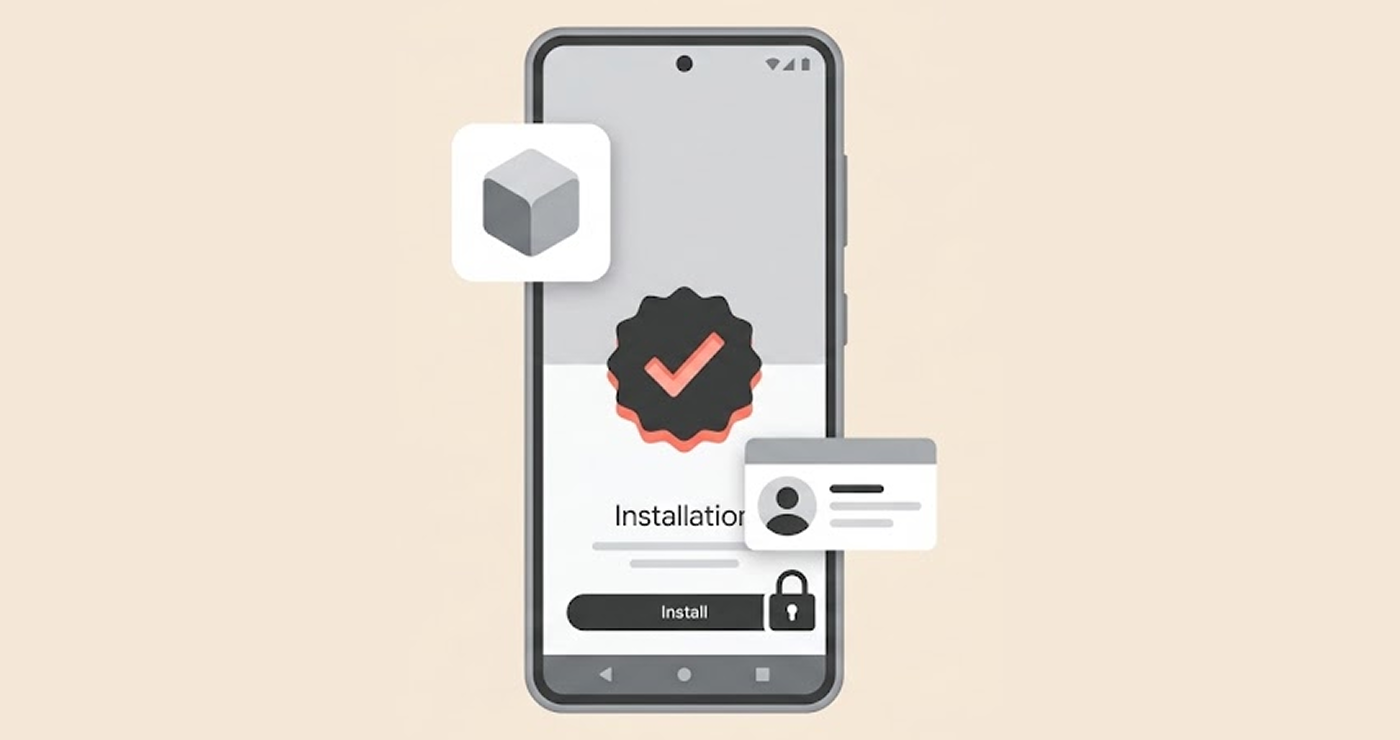
Google is changing how people install apps on Android phones. The company now wants every app maker to prove who they really are. This new rule could touch anyone who downloads apps outside the Google Play Store.
The plan is called Android developer verification. Google first revealed it earlier this year. The company has slowly shared more details since then, and the picture is now much clearer.
Google sets a firm start date
Google confirmed the first stage begins soon. Starting September 30, 2026, four countries will feel the change first, according to The Hacker News. Those countries are Brazil, Indonesia, Singapore, and Thailand.
Google picked these markets for a reason. Reports say fraudulent app scams hit these regions harder than most places, based on our independent research.
Under this system, a hidden check runs before every install. Google built a system service called the Android Developer Verifier. PrivacySavvy in-house researchers found that Google began sending this service to phones in June 2026, ahead of full enforcement.
The check only blocks apps from unregistered developers. If a developer never verified their identity, their app will not install the normal way. Seven app stores join this rule at launch, including Google Play, Galaxy Store, and Xiaomi GetApps, according to Gadget Hacks.
Once 2027 arrives, the rule spreads further. Google has not shared a single date for full global coverage yet, according to Testers Community.
Sideloading survives, but gets harder
Google insists it is not killing sideloading completely. The company built two routes around the new block. People can still install apps through Android Debug Bridge, a tool mostly used by developers, according to Testers Community.
People can also use a new “advanced flow” inside their phone settings. This path makes users work harder for it. Gadget Hacks reports that users must first open Developer Options on their phone. They then confirm their screen lock and restart the device. After that, they must wait a full 24 hours before anything unlocks.
Once the wait ends, users pick how long to allow it. They can choose unverified installs for one week, or leave it open forever, according to Gadget Hacks.
Google explains the delay differently than critics do. The company says scammers often stay on the phone with victims. They talk victims through installing harmful apps in real time, while pressure builds. Google designed the waiting period to break that exact trick, based on Gadget Hacks’ account of the company’s reasoning.
Every unverified install still shows a clear warning first. Users can tap past it if they choose to continue anyway, the same report notes.
Developers and rights groups push back
Not everyone agrees this move is only about safety. Developers who sell apps outside the Play Store must now register too. That process reportedly involves a government ID and a one-time $25 fee, according to Testers Community.
Open-source groups worry the cost runs deeper than money. Testers Community reports that F-Droid, a well-known open-source app store, describes the policy as a serious danger to independent Android software.
A separate piece on DEV Community argues the rule could end casual app sharing too. Beta builds, internal tools, and small experiments would all need registration under the new system.
Some critics see a bigger pattern forming. Northeast Times reports that Google chose to build a brand-new system app for this job. The company named it the Android Developer Verifier, rather than simply expanding its existing Play Protect service, according to Northeast Times. Critics compare this shift to how Apple already controls iPhone app installs, per Testers Community. Apple has also moved to strengthen privacy protections across websites and apps as it prepares new anti-tracking features.
Google explains its side of the story too. The company says fake developer accounts let scammers return again and again after getting banned. Verified identities make that harder to pull off, according to Android Authority. Google also notes that millions of apps have already joined the verification system since it opened for sign-ups in March.
For now, most everyday users may not notice much change. People who stick to the Play Store and other major app stores should feel little difference at first. Developers and users who rely on independent APKs face a bigger shift ahead, especially once the rule expands worldwide in 2027.
