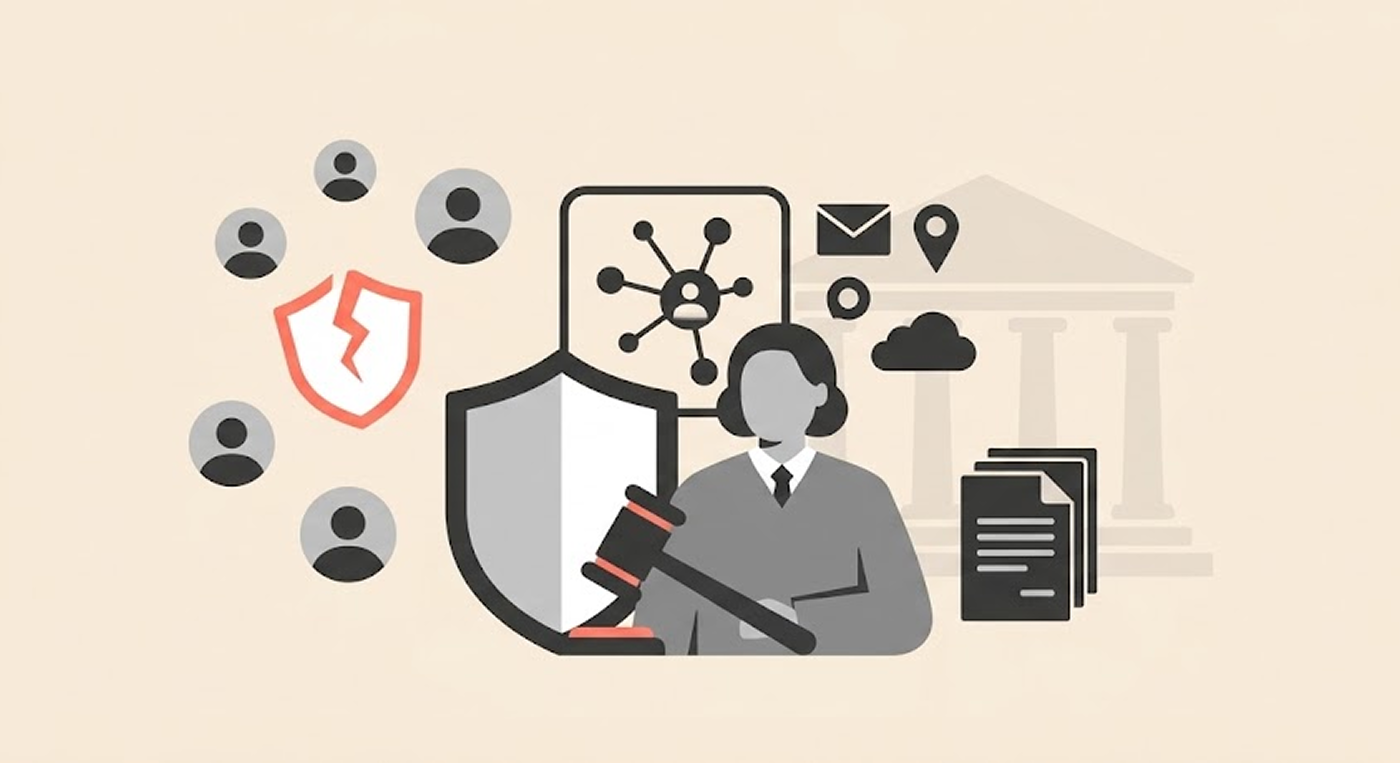
A New Mexico judge has ordered Meta to pay a huge fine. The judge said Meta lied to users about how it protected their data. The fine is $25 billion. It is the largest penalty ever against the company that owns Facebook.
The case grew out of the Cambridge Analytica scandal. A political firm took data from millions of Facebook users without asking. New Mexico sued Meta in 2021. The state argued that Meta misled people about who could see their information.
What the Jury found
A jury reached a verdict in September 2026. The jury found that Meta made 26 misleading statements about privacy. These statements appeared in news outlets, on earnings calls, and in interviews. The jury said Meta committed more than 43 million violations of state consumer protection law.
The statements came from top leaders, including CEO Mark Zuckerberg. The jury found that Meta promised users they controlled their data. But the company knew that third parties had broad access. It also failed to tell users when apps misused their information.
The judge called the deception intentional. He said it lasted for more than 11 years. The judge wrote that the actions of Meta went to the heart of its business model.
The findings of the jury concentrated on the public statements of Meta. The company told the users that they could control the information the apps share. However, in practice, lots of applications had access to high-profile information about users. Meta was aware of this gap for years, but it didn’t change its public messages until the journalists revealed this information.
The New Mexico authorities based their case on the public statements. The lawyers demonstrated to the jury the ads, blogging posts, and testimonies and proved that Meta had been telling one thing and doing another. The jury agreed on nearly every count.
The fight over the penalty amount
State law allows a fine of up to $5,000 per violation. That math would have produced a penalty of about $219 billion. The judge said that amount was warranted. But he reduced it to $25 billion.
The lawyers for New Mexico asked for $35 billion to $40 billion. They argued that only a massive sum would change the behavior of Meta. On the other hand, the lawyers for Meta asked for a cap of $3.4 billion. They said a larger fine would violate the company’s rights and scare businesses away.
The judge did not explain how he chose the final number. But he said the record supported the maximum penalty per violation. He then gave Meta a large discount.
Legal experts have offered their own read. Some say the judge wanted to avoid a record that would invite a strong appeal. Others say he split the difference between the two sides. Either way, the amount is far above what Meta proposed. It is also far below what the state demanded.
The judge also ruled on interest. The fine will increase by 15% every year until Meta makes payment. If the appeal drags, the rate may add much money the company will finally owe.
What Meta says and what comes next
Meta plans to appeal the ruling. The chief legal officer of the company said the decision makes it nearly impossible to do business in New Mexico. He argued the lawsuit is really an attempt to tax speech and control what people can say online.
The attorney general of New Mexico praised the ruling. He said it sends a clear warning to Silicon Valley. He noted that the money will go to the school system of the state. He also said the state may have paid for school construction for the next 100 years.
The money will not arrive soon. An appeal from Meta could take years. The fine also carries interest of 15 percent per year while the case continues.
New Mexico chose to fight alone. Forty-eight other states settled with Meta in August this year for $18 billion. New Mexico refused to join that deal. It pursued its own case over the Cambridge Analytica scandal. Elsewhere, Texas is enforcing age-verification requirements for new Apple accounts under its App Store law, adding to the regulatory pressure on major technology companies.
That choice now looks significant. This single case of New Mexico produced a larger penalty than the multi-state settlement. Other states may study the result. Some could file similar claims under their own consumer protection laws.
Privacy proponents have welcomed these developments, saying the ruling is a step toward holding companies accountable for misleading users. Industry groups warned that the decision could chill normal business communication. Both sides agree the appeal will shape how far states can go in policing privacy claims.
