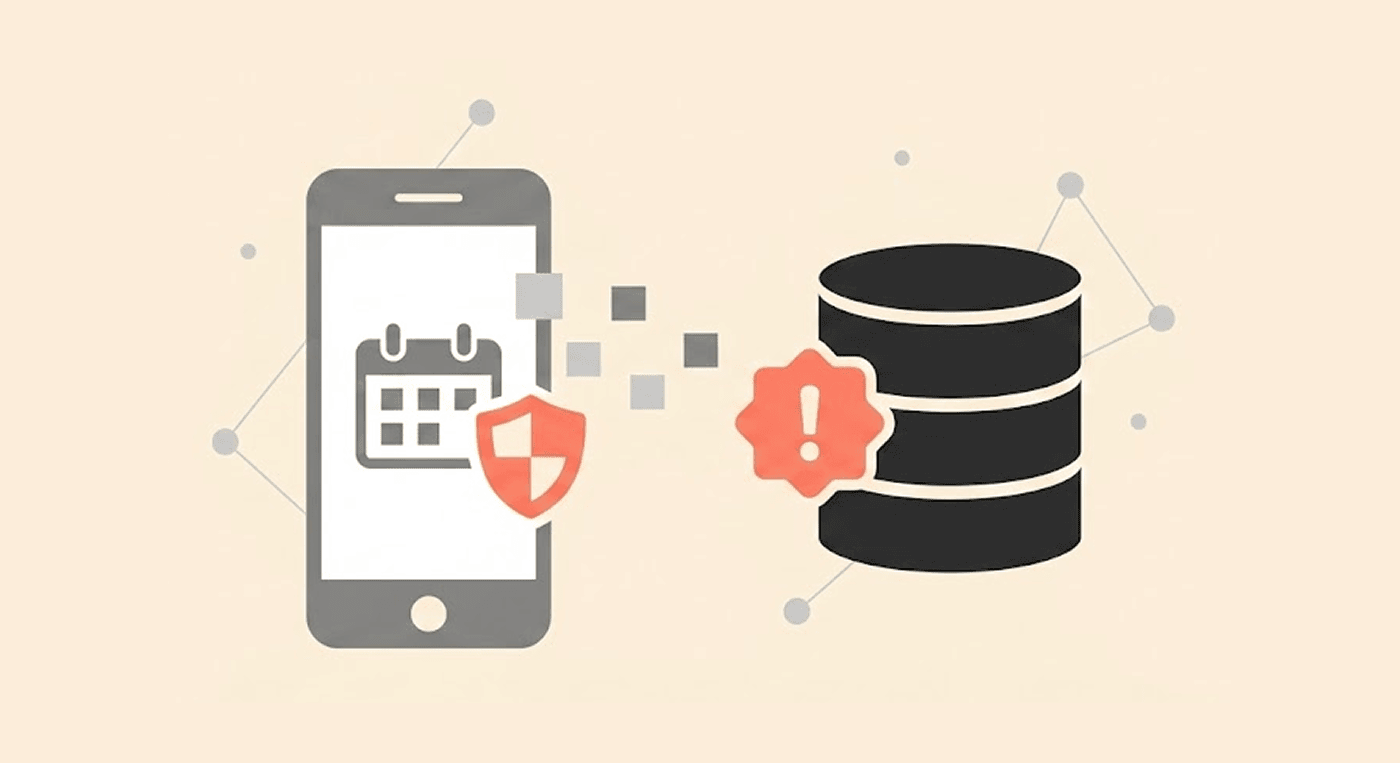
The Dutch Data Protection Authority (AP) has warned women about privacy risks linked to period-tracking apps. The agency said users share very personal information through these services. The information can include periods, hormone symptoms, and sexual activity.
The AP said it remains unclear how some apps use this information. It also raised questions about possible sharing with advertising partners. The agency urged women to stay careful when using cycle and fertility apps. It also said it could investigate these services.
Research cited by the agency found that almost one in four Dutch women uses such an app. Users enter details about their menstrual cycles and other personal matters. The apps then use those details to show cycle patterns and possible ovulation periods.
The AP considers this information highly sensitive personal data under privacy rules. The agency said apps generally need clear permission before collecting such information. However, users may not always understand how companies handle or share their data.
Privacy concerns grow around cycle apps
The warning comes as privacy concerns grow around the collection of intimate health information. Users may provide details about their bodies without knowing where that information could go.
These concerns extend beyond commercial data misuse; the dark web has become a space where women’s personal information can be weaponized, leading to a UK initiative called CyberDIVA to combat such abuse.
Monique Verdier, the AP’s vice chair, said women and girls enter large amounts of intimate information into these apps. She warned that this could create risks if advertisers receive the information without users wanting that outcome.
Verdier also compared free apps to services where users may effectively pay with their personal data. She said the information can include details about sexual activity or changes in menstrual cycles.
The AP also warned that hackers could target such information. Verdier said criminals often seek highly sensitive personal data because they can use it to pressure or blackmail victims.
She added that information about health, fertility, and sexual activity should remain private. The AP has previously stressed that people should have control over how companies collect and use their personal information.
The agency advised users to review the permissions an app requests before installing it. People should also check whether the service clearly explains its data practices. The AP said users should avoid entering private information when an app gives unclear details. People should also be careful when a service provides no clear way to refuse data sharing.
Complaint filed against Flo
The warning also follows a complaint against Flo, a popular period-tracking service. Dutch civil rights group Bits of Freedom filed the complaint with the AP in late May.
The group said Flo processes highly sensitive personal information from its users. It also alleged that the service allows targeted advertising based on that information.
Flo reportedly has more than 200,000 users in the Netherlands. Bits of Freedom director Evelyn Austin previously said period-tracking services could turn private health information into a commercial product.
The complaint adds to wider concerns about how digital services handle sensitive personal information. The AP says companies must follow the General Data Protection Regulation when they process personal data.
The regulation gives people rights over information that companies collect about them. The AP says users have the right to receive clear information about how companies use their data. They can also ask to access, correct, or remove certain personal information.
The privacy agency said app providers must clearly explain what they do with personal data. They must also give users the necessary information before processing their data.
AP considers possible investigation
The AP said it is concerned about how these apps operate and protect sensitive information. Verdier said the agency is paying attention to the services because of the private nature of the data they handle.
She said the AP could decide to open an investigation into period and cycle-tracking apps. The agency has not confirmed that an investigation will begin.
For now, the AP wants users to take greater care when entering personal information. It advised people to check app permissions and understand how their information may be handled.
The agency’s warning focuses on the risks linked to data about health, fertility, menstrual cycles, and sexual activity. Such information can reveal deeply personal details about a person’s private life.
The AP’s concerns also highlight the need for app providers to explain their data practices clearly. Users should know what information they provide and how companies plan to use it.
The agency said people should think carefully before entering sensitive details into apps when privacy information remains unclear. The AP also warned that users should pay attention to whether a service allows them to reject data sharing.
