Google just dropped a major security update for Android. It seems the company wants to make sure no one sneaks bad code into your apps.
Supply chain attacks are getting scarily common. So Google is fighting back with a public ledger for app verification.
Why a simple digital signature isn’t enough anymore
You might think a signed app is safe. But Google says that’s no longer true.
Digital signatures only prove where an app came from. They don’t prove the developer meant to release that specific version.
It’s more like a package bearing a return address that’ll help you know you sent it. But with just the return label, you can’t tell if someone opened the package after it left the warehouse.
So attackers have found really smart ways of poisoning software updates so that they can inject malicious code into a legitimate patch. The worst part? The digital signatures stay perfectly intact.
Google points to a recent example. Hackers compromised Windows installers for DAEMON Tools software. They added a sneaky backdoor called QUIC RAT. The installers came from the official DAEMON Tools website. They even carried valid digital certificates from the developers themselves. So a valid signature gave users zero protection.
How Google’s new public ledger changes the game
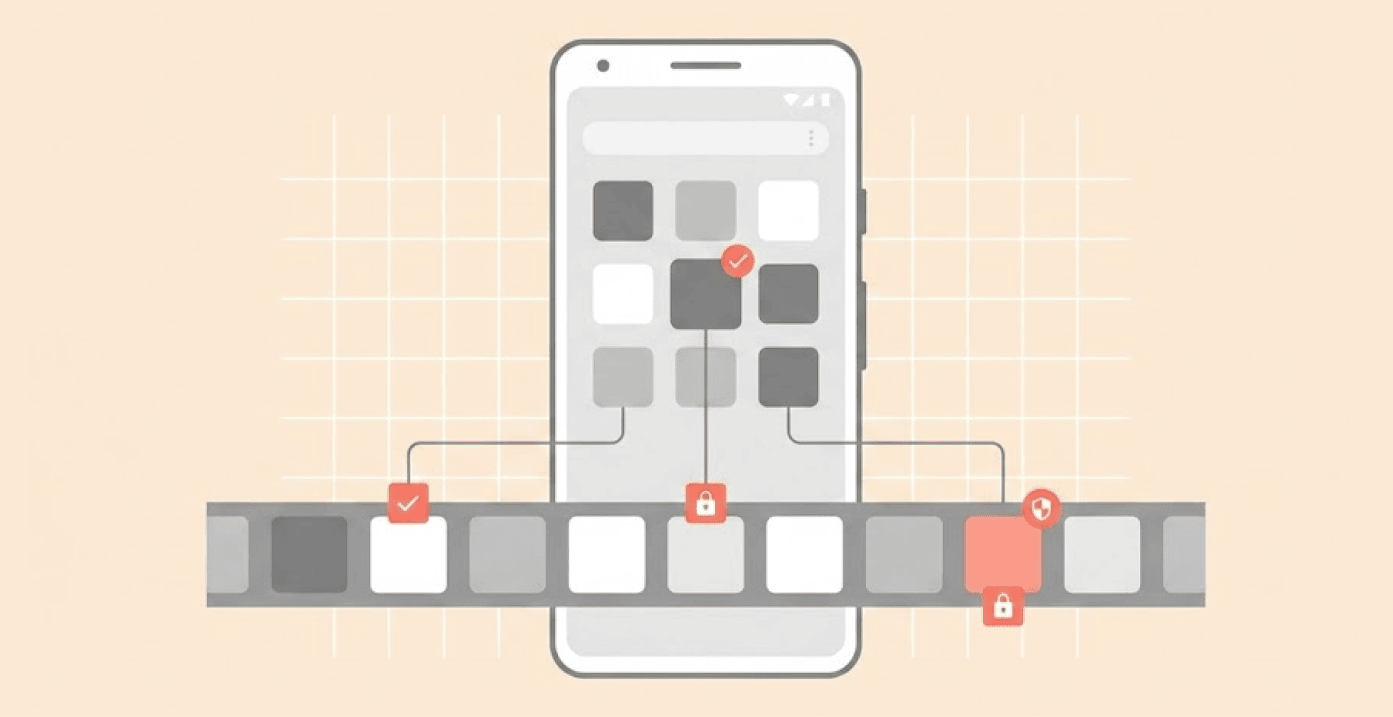
Google calls its solution Binary Transparency for Android. The system creates a public, cryptographic log that records metadata about official app versions.
The idea borrows from Certificate Transparency. That’s the open framework that logs every SSL/TLS certificate issued. It helps catch fake or malicious certificates quickly.
Google first tested this approach with Pixel Binary Transparency back in October 2021. That system ensured Pixel phones only ran verified operating system software. Now Google is expanding the same protection to Android apps.
From May 1 onwards, every production Google Android app gets a cryptographic entry confirming its authenticity. This includes Google Play Services, standalone Google apps, and Mainline modules. Those Mainline modules are OS parts that update dynamically outside normal release cycles.
Google describes the ledger as a transparent “Source of Truth.” Anyone can use it to verify that the Google software on their Android device is a production version authorized by Google. If an app isn’t on the ledger, Google didn’t release it as production software.
“Any attempt to deploy a ‘one-off’ version will be detectable,” Google said.
A powerful deterrent against bad actors
The company is also releasing verification tooling. Users and security researchers can use these tools to check the transparency state of supported software types.
This move comes as supply chain attacks explode. Bad actors keep compromising developer accounts. Then they abuse that access to push malware to thousands or millions of users at once.
Google calls the new system an important pillar for user security and privacy. It changes the fundamental power dynamic of software updates. Instead of just trusting that an update is safe, anyone can independently verify it.
“Digital signatures are a certificate of origin,” Google explained. “But binary transparency is a certificate of intent.”
That distinction matters a lot. The public ledger acts as a powerful deterrent against unauthorized binary releases. Attackers can’t slip in fake versions without leaving a permanent, detectable mark in the log.
For Android users, this means one less thing to worry about. Google is effectively saying: you don’t have to take our word for it anymore. You can check the public record yourself. That’s a pretty big deal for software security.
The battle for transparency isn’t limited to software verification. Across the tech world, companies are wrestling with how much to share about user tracking and data collection. For a look at how social media giants are navigating these waters, see our coverage, Snapchat joins the social giant amid Facebook, Apple tracking transparency feud.
