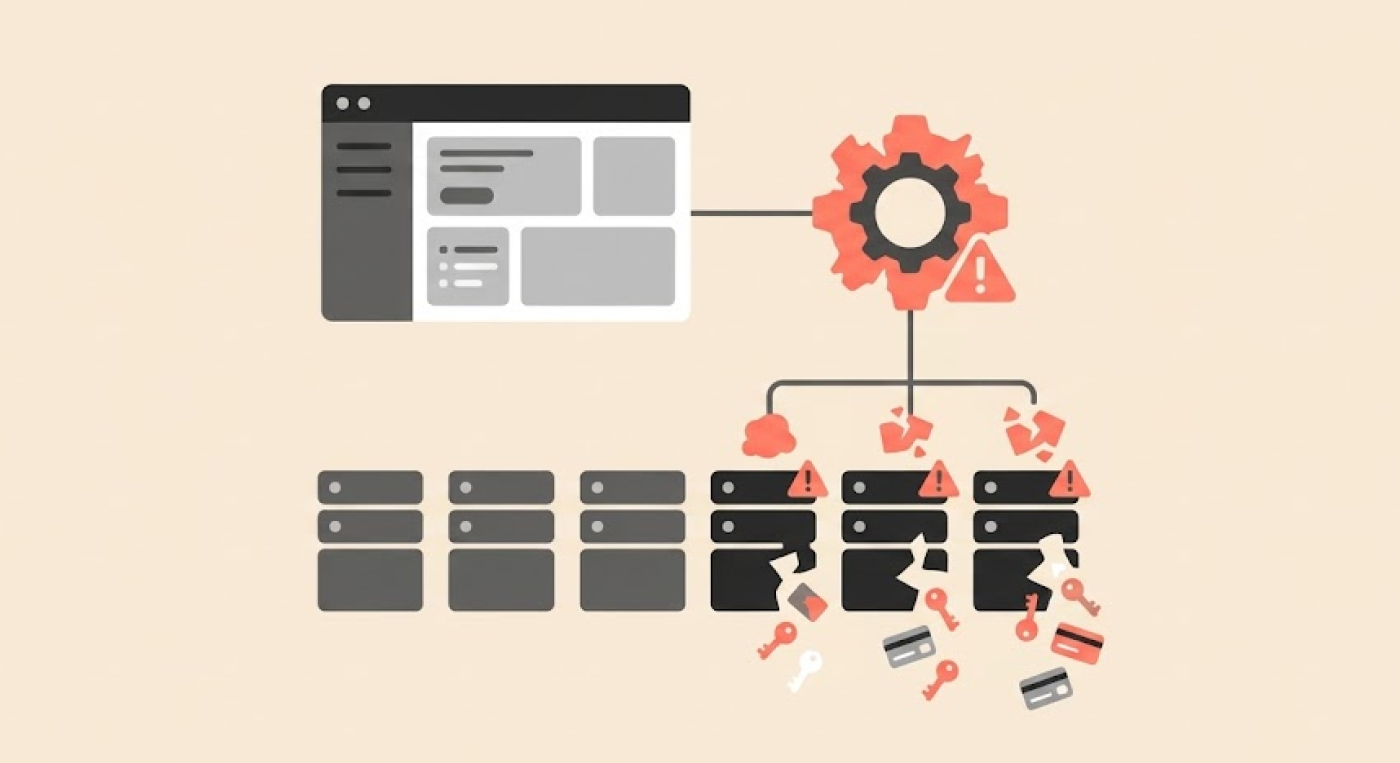
A security tool has turned into a danger for the people who trusted it. Attackers broke into OPSSHIELD, the company behind the Linux server tool cPGuard.
They used its update channel to spread a harmful script. The script looked like a normal cPGuard update, so servers accepted it.
Attackers slip in through the billing system
OPSSHIELD’s security advisory says the attack began on November 2, 2026, at about 02:06 UTC. An unknown attacker used stolen credentials to enter the company’s update distribution system. The harmful update hit cPGuard versions 5.88.12 through 5.88.19.
Reports say the attackers got in through the company’s billing and licensing system. The November 3 incident disclosure explains the steps. First, the attacker signed up for a customer account. Next, the attacker reached the billing application. Finally, the attacker stole the credentials that publish software updates.
cPGuard protects Linux hosting servers. It scans for malware and offers firewall protection. It also gives other security features to server administrators and hosting providers. A stolen publishing key worked like a master key. It lets the attacker send files that every customer server would treat as safe.
Harmful script grabs passwords, keys, and database details
The script ran with root privileges. Root is the all-powerful account on a Linux server. That level of access let the script open sensitive files on every infected machine. OPSSHIELD confirmed the script targeted /etc/shadow and /etc/passwd. These files hold local account details and password hashes. A password hash is a scrambled copy of a password.
The script also collected root’s SSH files and MySQL configuration files. SSH is a secure way to log in to a server from far away. The script took shell history too. On some servers, it grabbed cloud storage credentials. Attackers could use these files to enter servers, databases, and other linked systems.
The stolen data went to a place the attackers controlled. It travelled through OPSSHIELD’s own licensing system. The company’s first advisory said the attacker pulled 32 collected files from its licensing server.
The later disclosure showed a much bigger picture. OPSSHIELD now says about 2,950 customer servers ran the harmful update. The company also confirmed that the attacker copied its billing system database.
OPSSHIELD responds while users voice alarm
OPSSHIELD says it cancelled the stolen update credentials and removed the attacker’s access. The company then began rebuilding the affected internal systems. It also released clean updates that remove the harmful parts. Its newest disclosure names version 5.88.26 as the clean release. That replaces the earlier advice to install version 5.88.25 or later.
The company tells administrators to update cPGuard first. They should reset local account passwords and replace SSH keys. They should also change database credentials. Exposed API keys and cloud storage secrets need new values too. OPSSHIELD also asks customers to reset their billing account passwords.
The attack drew worry from security users on X. Many noted that the attackers abused software built to protect servers. According to @Frelzu, few administrators would think to check the security tool itself. The user said a bad update from protective software creates an unusual level of risk.
@tuffbrownboy offered practical advice. The user told cPGuard administrators to treat root SSH keys as stolen and replace them. The user also suggested checking scheduled tasks and cron folders. Cron is a tool that runs jobs on a timer. Attackers can hide there to stay on a server.
@Securedotcom raised a different concern. Reports say the attackers used the company’s own licensing server to receive the stolen data. That could make strange outgoing traffic harder for administrators to notice. The traffic would look like it came from a trusted source.
@GDPRbreaches focused on data protection. The account reminded organisations that their duty to protect personal information also covers third-party software and update channels.
The case shows the danger of software supply-chain attacks. In these attacks, criminals target a trusted supplier instead of the final victim. A vendor can lose control of its update system. Attackers can then reach the very systems its product was built to guard.
Attackers can also abuse other trusted network infrastructure to reach their targets. In a separate campaign, Russian military hackers hijacked home routers to spy on users worldwide. Both incidents show how compromised trusted systems can become tools for cyber espionage and other malicious activities.
