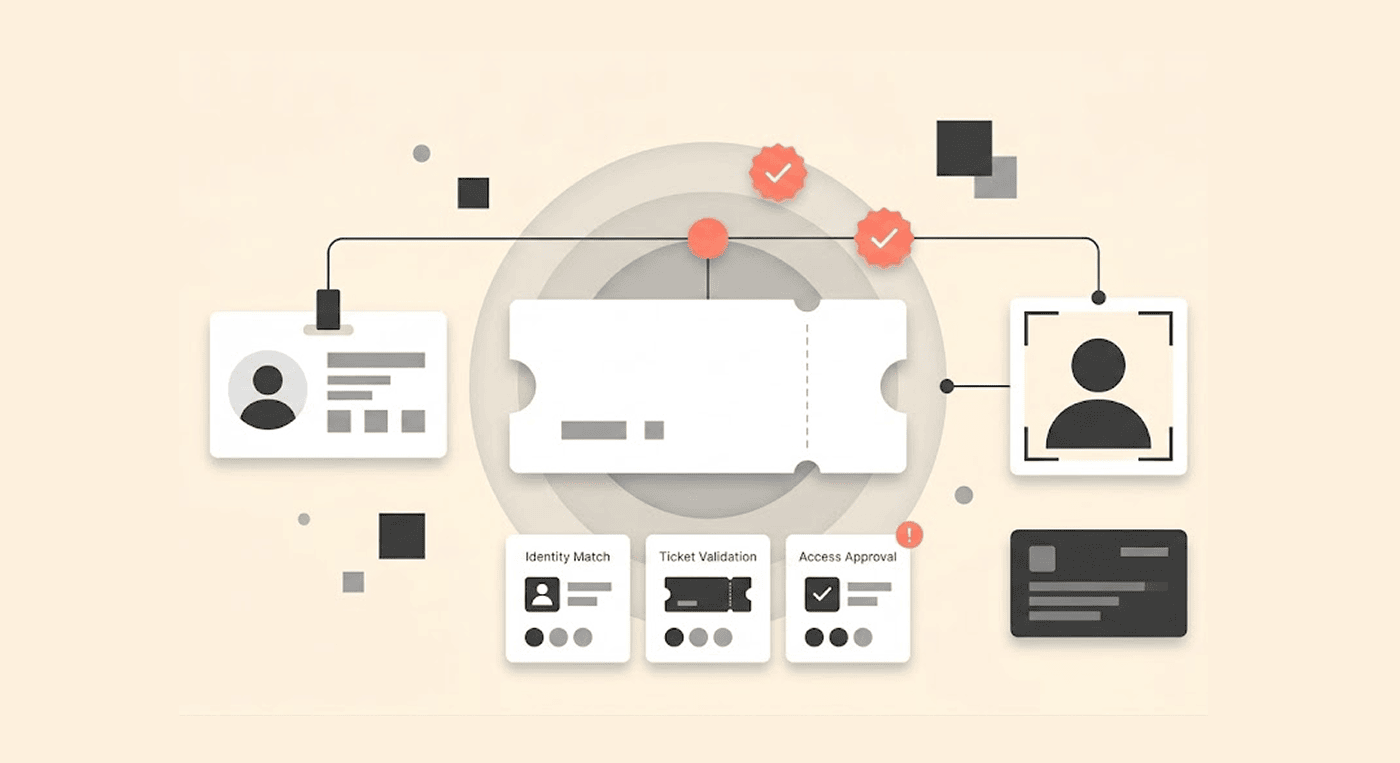
Ticketmaster is adding stronger identity checks as it fights bots and ticket scalpers. Some customers must now prove who they are before buying tickets. The company may ask users to complete extra checks when it spots suspicious activity.
According to Ticketmaster’s official explanation, the checks help protect accounts and prevent harmful activity. Ticketmaster’s UK help page gives more details about the process. Some customers may need to take a live selfie during the check. Others may also need to submit a photo ID, such as a passport or driver’s licence.
The company uses Persona to handle the identity checks. Persona compares the customer’s selfie with the photo on their ID. It also checks if the submitted ID appears to be genuine. Ticketmaster says the goal is to help real fans get tickets instead of automated buying systems.
The company says the checks aim to give “real fans, not bots, a fair shot at getting tickets,” according to its UK help page. The new process has also caused concern among some customers. Some fans do not want to provide sensitive information just to buy tickets.
Customers raise privacy concerns
Soummaih Hydara said she would likely complete the check if she really wanted to attend an event. However, she questioned whether the process was worth giving up personal information.
According to comments cited by WBAL-TV, Hydara said she would ask herself if she really wanted to attend the game or concert. She added that she would probably complete the check, but said the situation was not ideal.
Another customer, Tony Fitchue, also raised concerns about giving government identification to an online system. He told WBAL-TV 11 News Investigates that he would not want to place his government ID into a data system.
Cybersecurity expert Bill Sieglein said bots create a major problem for ticketing platforms. He estimated that bots make up about 60% of traffic on sites such as Ticketmaster and StubHub. Sieglein said automated systems can get around many normal security measures.
The risks of data exposure are evident in other ticketing incidents; a massive dark web data dump recently exposed Russian ticketing giant Kassy.ru.
He also said bots can buy tickets before regular fans get a fair chance. Ticketmaster has also expanded its other security measures. In a March 2026 post, the company said suspicious account activity can lead to automatic identity checks.
The company also listed other security tools in its account security update. These include AI-based risk checks, passkeys, and multifactor authentication. Ticketmaster says these tools help identify suspicious activity before major ticket sales begin. The company has therefore placed identity checks within a wider effort to stop fraud and protect customer accounts.
Ticketmaster explains how it handles data
The privacy debate also focuses on what happens to customer information after an identity check. Ticketmaster says Persona does not share personal data with outside parties unless the sharing supports identity checks, fraud prevention or abuse prevention.
The company’s published information also explains how long some biometric data may remain stored. Successful verification data may stay for no more than 60 days, according to Ticketmaster’s help information.
The same policy says information from unsuccessful checks may remain for up to three years. Ticketmaster says the longer period supports efforts to prevent fraud. Some customers have also discussed the checks on Reddit.
In a July 2026 discussion, one user said Ticketmaster flagged an account that had been active for more than ten years. The user said Ticketmaster suspected “bot or network activity.” The account holder then had to provide a government ID and complete a live selfie check.
Other users have shared similar experiences in discussions on Reddit and another Reddit discussion. These posts are individual customer reports. They do not independently confirm how widely the checks are being used.
Privacy and ticket access face a new test
Sieglein said the issue creates a balance between convenience, ticket prices and privacy. Fans may welcome stronger security if it helps them compete with bots during popular ticket sales. However, the process also asks some customers to share face images and government identification. That creates concerns about how companies store and protect sensitive information.
Sieglein also warned that Ticketmaster and Persona must follow their own data rules. According to his comments, failing to follow those policies could expose the companies to lawsuits. Ticketmaster’s identity checks therefore add another layer to the fight against automated ticket buying. The company says the system helps protect real customers during high-demand sales.
At the same time, some customers remain uncomfortable with the personal information involved. The debate now centers on how ticket companies can fight bots while protecting customer privacy. The new checks show the growing role of identity verification in online ticket sales. For customers, the process may offer better protection against bots, but it also brings new questions about personal data.
