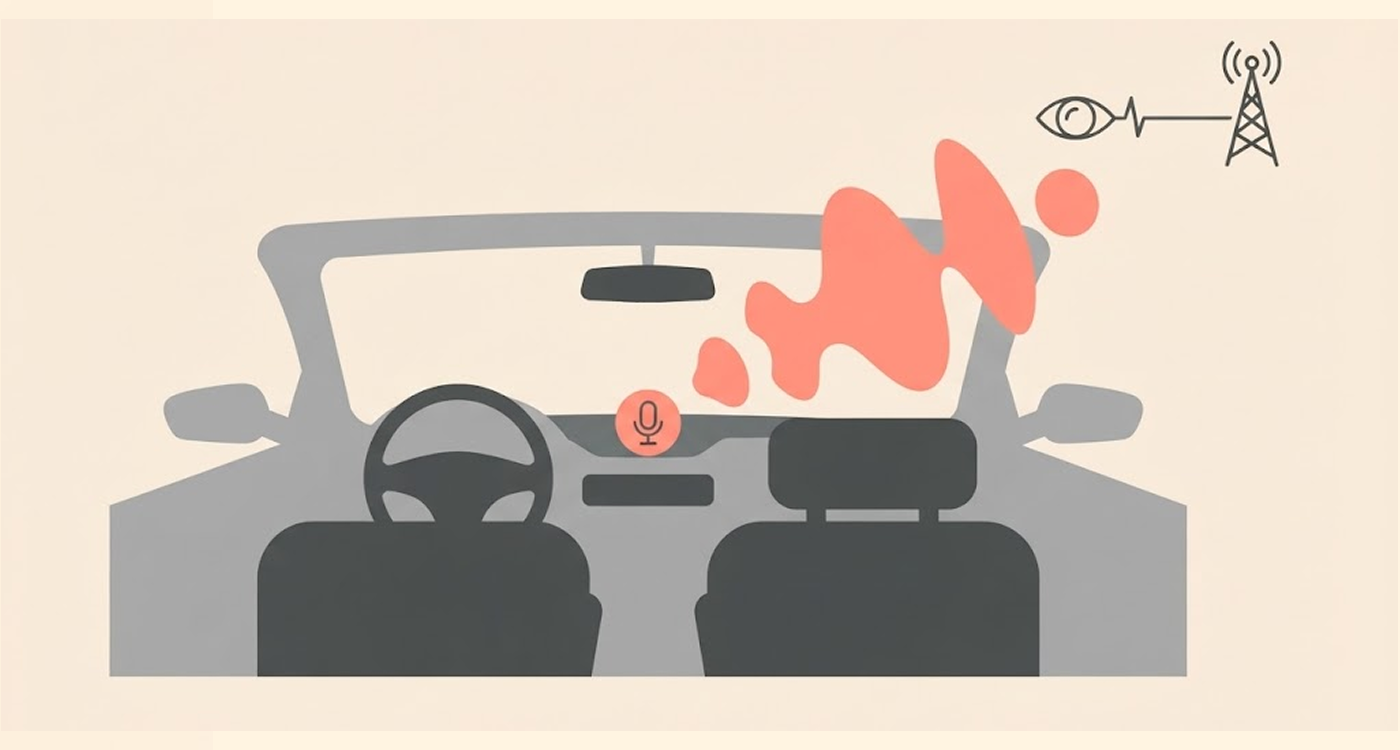
Modern cars now carry microphones, cameras, GPS systems, internet connections, and other digital tools. While these features make driving easier – they can also create new security risks.
The Dutch intelligence service AIVD now warns people to avoid sensitive conversations inside or near modern vehicles. The agency says attackers could potentially access some vehicle systems and use them to collect information.
Modern cars can collect more data than drivers expect
The AIVD says modern vehicles have become connected digital environments. Many cars collect information about passengers, the vehicle, and nearby people or objects. Some systems also send that information through internet-connected services.
There are many tools in the car that can provide this information. A few of them are camera systems, microphones, telematics, GPS devices, infotainment systems, and various connected devices. Some of this data is accessible to the car manufacturing companies. Dealers, leasing companies, repair firms, app developers, parts makers, and cloud providers may also handle vehicle data.
The AIVD warns that state actors can show interest in these data streams. Some actors may request information from companies with access to vehicle systems. Others may try to hack those systems directly.
Cybercriminals can obtain data about a car and use it for theft or selling it somewhere else. Therefore, it is essential for drivers to comprehend that a connected car will collect and process data even when the driver is not using its functions.
Vehicle microphones could create an eavesdropping risk
One of the biggest concerns involves microphones inside modern vehicles. Many cars contain several microphones for calls, voice controls, and other digital functions.
The AIVD says attackers could technically activate some vehicle microphones remotely. That capability could allow someone to listen to conversations inside or around a vehicle. For that reason, the agency advises people to avoid confidential discussions inside or close to modern cars.
The warning mainly targets people who handle sensitive information. That includes government officials, business leaders, and others who work with valuable or confidential data. However, the AIVD says ordinary drivers can also use the advice to reduce unnecessary data exposure.
Just because cars have been equipped with technical systems does not mean that all are susceptible to eavesdropping attacks. Rather, the red flag serves to highlight what hackers are capable of should they compromise the relevant systems. This distinction matters. A vehicle may contain several connected components, but attackers still need a suitable way into those systems.
Cameras, Bluetooth and Wi-Fi add more entry points
Microphones are not the only concern. The AIVD also points to cameras fitted inside and outside modern vehicles. Attackers could potentially access some vehicle cameras remotely. An external camera could then capture images around the car or reveal information about nearby locations.
The agency therefore recommends avoiding vehicles with external cameras when travelling to sensitive places. This step can reduce the amount of information a compromised vehicle could reveal about a location. Phone connections create another concern. Nowadays, cars often link to the smartphones of users through Bluetooth, Wi-Fi, USB, or wireless systems.
The AIVD warns that attackers could potentially use these connections to reach vehicle systems or obtain data from connected devices. As a result, the agency recommends avoiding automatic Bluetooth and Wi-Fi connections when possible. It also advises against wireless charging when someone needs strong protection around sensitive information.
When it comes to USB connections, the organization suggests the use of a data blocker. A data blocker can prevent unwanted data transfers while maintaining power supply to the device. These guidelines minimize some of the risks associated with this technology but they don’t eliminate or prevent all the risks.
GPS, infotainment, and telematics also matter
Modern cars can reveal more than conversations. Their infotainment and navigation systems can store details about drivers and their movements. For example, an infotainment system may retain information about connected devices, contacts, internet activity, messages, or navigation data. The AIVD warns that attackers could potentially gain access to information stored within these systems.
Drivers should therefore think carefully before entering sensitive addresses into built-in navigation tools. A home address may seem harmless, but a sensitive meeting location could reveal useful information to an attacker. Google has also taken steps to help people remove sensitive personal information from its search results, including ID-related data, through its expanded ‘Results About You’ tool.
GPS and tracking systems create another concern. Manufacturers use these tools to monitor vehicle locations and record journeys. Attackers may also try to obtain access to location information. Telematics modules add another digital connection. These modules can communicate with manufacturers and provide services such as traffic information, location data, and vehicle updates.
The AIVD says people cannot fully remove the risks from GPS, tracking, telematics, and charging systems through simple technical steps. Instead, users should consider the vehicle’s risks alongside the purpose of each journey. The agency also stresses that not every recommendation fits every situation. People should assess the sensitivity of their activities before choosing the right precautions.
The warning comes as connected vehicles continue to gain more digital functions. For many drivers, these features offer convenience without requiring much attention. However, the same connections can create additional ways for attackers to gather information.
For those who are dealing with sensitive materials, it makes a difference to modify their habits slightly. They can maintain strong confidentiality by avoiding personal conversations in a car & minimizing the use of wireless connections. Also, choosing safer vehicles for trips while handling sensitive information can reduce exposure.
The guidance of AIVD shows that vehicle security now extends beyond locks, alarms, and physical access. Digital systems have become another part of the security picture.
