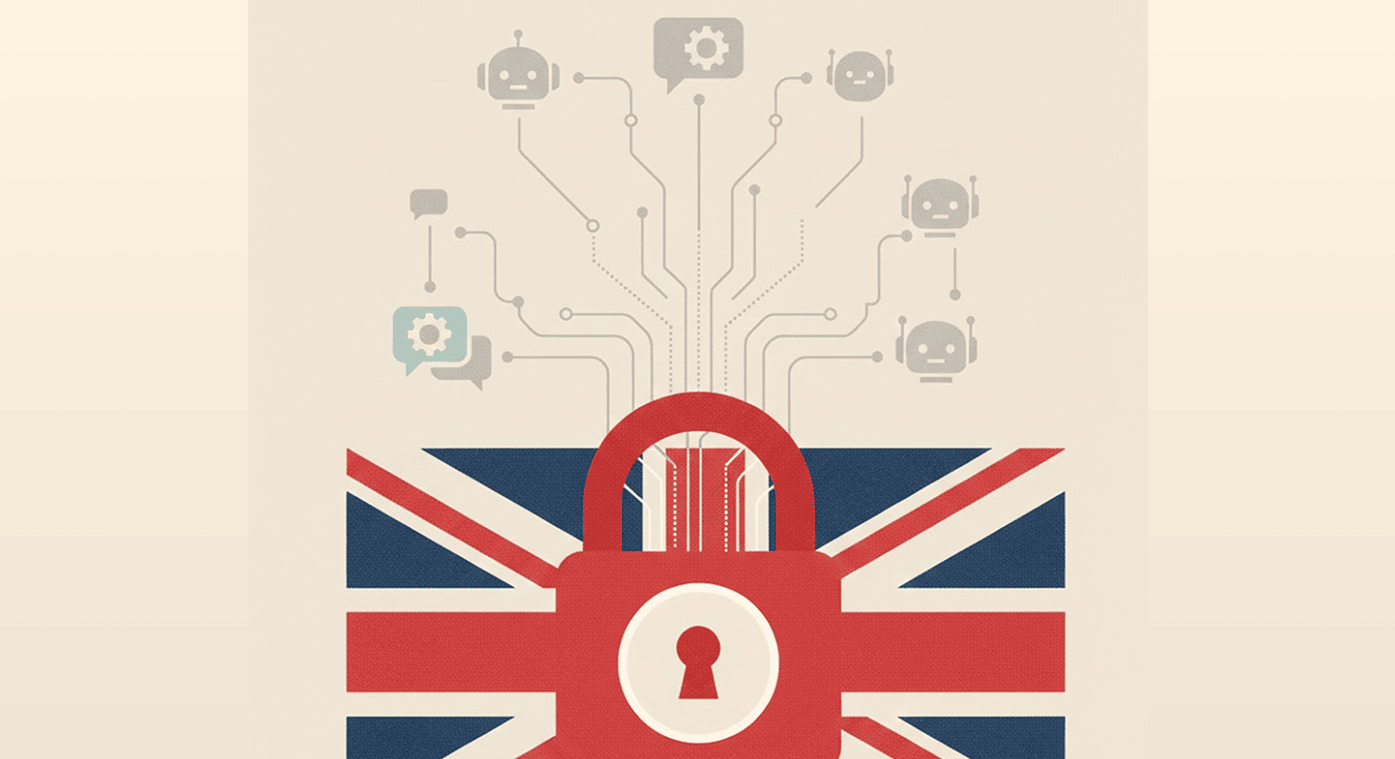
The UK government intends to apply stringent new regulations for the safety of major AI chatbots. Keir Starmer recently disclosed a full overhaul of how technological firms can operate in the UK.
He pointed out a key gap in current online safety legislation, where AI chatbots don’t follow the same regulations as social media platforms.
Government targets AI platforms with new amendments
Starmer, during his announcement, opened up about changes to the Bill regarding Crime and the policing of crime. The amendments enforce chatbot ARIs to be in compliance with the Act for Online Safety.
The Acts for online safety have already imposed regulations on social networks and digital platforms. Authorities will impose new rules on all CAT services, including Grok. ChatGPT and Gulielmo will be subject to the new rules.
The Technology Secretary Liz Kendall explained that the government is taking the issue very seriously. She said the administrators will act rapidly to apply the standards of the newly established Regulations.
There are potentially severe consequences for companies that do not comply with the new standards. Authorities could fine non-compliant companies up to 10% of their worldwide gross revenue and bar them from offering services in the UK.
Future regulations may go further
The current amendments are merely a starting point for a much larger regulatory plan. Officials are contemplating further restrictions on how young people may use AI technologies. Future potential bans include requiring age verification to use chatbots and limiting how children use VPNs to dodge age restrictions. Policymakers worry that chatbots will expose children to unsuitable content or inappropriate advice.
These proposals raise fundamental questions about AI and privacy, namely, how to protect vulnerable users without creating surveillance systems that erode everyone’s digital rights.
Users express mixed reactions on social media
Lots of heated debate ensued on social media following the announcement of this new regulation. Many people voiced opinions on X about the proposed rules, with @GingerAndMead sharply criticizing the government for using child protection as a cover to restrict adult freedoms. The user said Starmer’s policies would ultimately fail the children the regulations were meant to protect.
In contrast, @zdr_0x commented that US-based businesses should just disable the use of their AI services to UK-based customers, as they don’t do so because Starmer has no understanding whatsoever of the technology industry, and that he is focusing only on chatbots, which is a fundamental misunderstanding of defining AI.
The individual said government officials seem worried that if chatbots become widely available, they could produce truthful information that contradicts the narratives promoted by governments worldwide.
Another person, @lokesh_sparrow, who commented on it, took a more moderate approach to it. They were of the opinion that since AI chatbots are now in the mainstream, some forms of regulation will be mandatory.
If social media companies must comply with the Online Safety Act, then regulators should also oversee any chatbots that interact with children.
According to them, fines of up to 10% of a company’s worldwide revenue are enough to provide serious motivation to comply with regulations. They believe that this level of penalty is out and out coercive, not just slightly so.
This underscores why proactive chatbot security measures matter, not just to avoid fines, but to build systems that are safe by design, reducing the need for heavy-handed government intervention in the first place.
The person expressed support for age restrictions and child protection policies, but was unsure how authorities would implement them. They also raised questions about how authorities will be able to verify age without collecting vast amounts of personal information from users.
They wondered whether using a VPN would count as employing excessive privacy tools and be seen as overstepping the law.
The author concluded with the thought that finding a way to protect children from harm while avoiding excessive parts of the regulation that will have a potentially negative impact on innovation will be the biggest challenge.
Finally, this individual predicted that the UK, by implementing these types of regulations first, would cause other countries to do the same.
In the coming months, the technology sector will face many difficult decisions, as the aggressive timeline of the UK leaves little time for extensive industry consultation.
The UK regulatory push is part of a global effort towards regulating AI. It is possible that the UK will become a model for other jurisdictions looking to implement similar systems.
