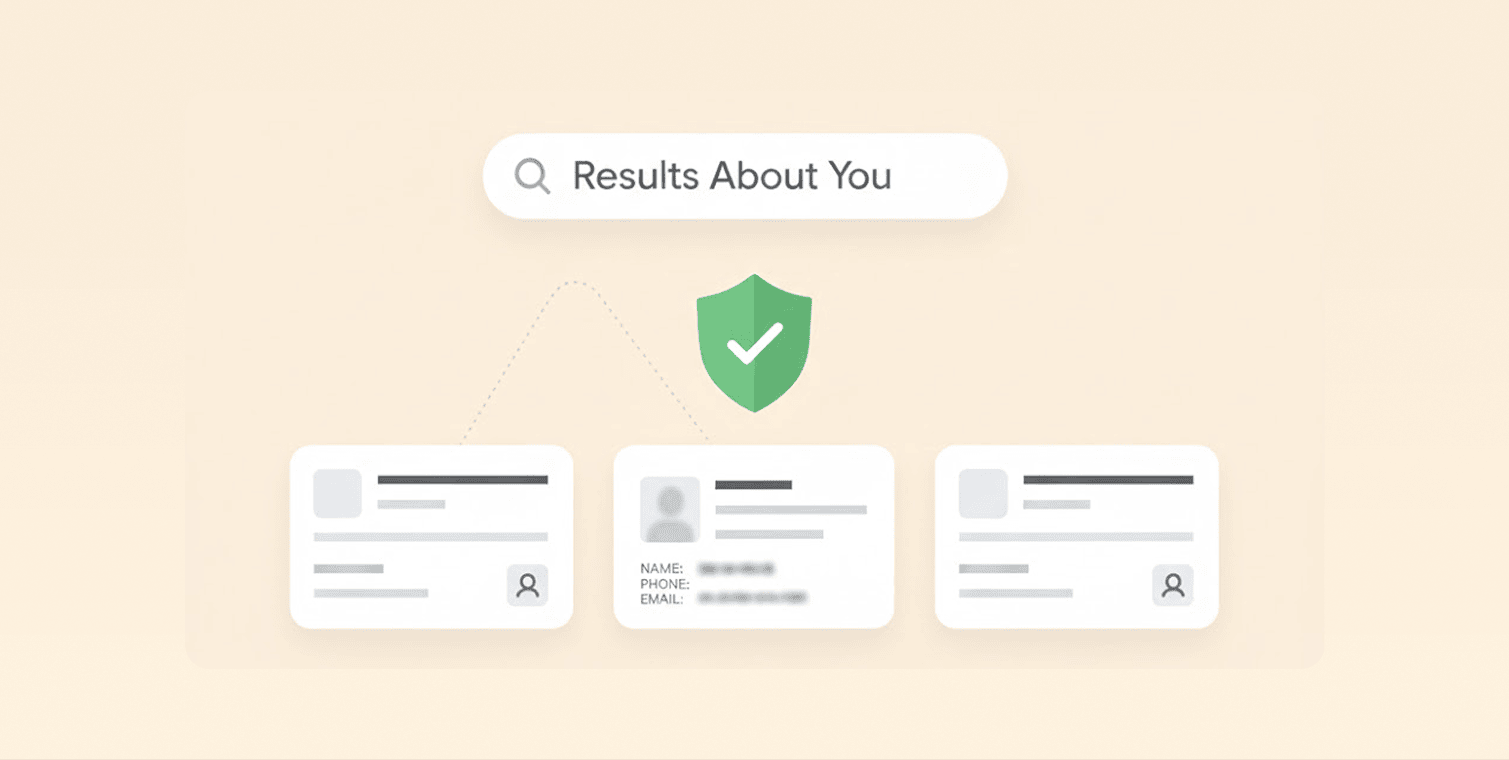
Google just gave its privacy tool a serious boost. The kind that goes after the documents you really don’t want floating around.
If you’ve ever Googled yourself and frowned at seeing your home address and cell number in the search result, this might just be the good news you’ve been waiting for.
About Google’s new privacy update
More than 10 million people have used Google’s Results about you tool to scrub that stuff from search results. But this week, Google is expanding this feature. The company quietly rolled out an upgrade that targets sensitive information you have floating around online.
With the new Google privacy update, you can now monitor and remove your personal data, like Social Security numbers, driver’s license details, and passport info, from search results directly through Google.
The update is live for US users right now, with other regions getting it later. And honestly? This is a much bigger deal than removing an old phone number.
Why this update actually matters
You can change your phone number; not the easiest decision since a lot of associates who had the old one might find it difficult connecting with you, but it’s doable. You can move houses and update your address everywhere.
But you can’t just wake up one day and decide to get a new Social Security number because it showed up in someone’s search results. That’s permanent baggage. Once those numbers are out, they’re out. Criminals don’t need much to steal your identity. A name and a nine-digit string is practically the master key.
Google seems to get that now. The tool itself takes maybe two minutes to set up. You tap your profile picture in the Google app, hit “Results about you,” and add the info you want watched.
If you’re already using it for your email or address, you just drop your ID numbers into the menu, and you’re done. Google encrypts everything, monitors search results, and sends you alerts when it finds your stuff. From there, you submit removal requests with a couple of taps.
What the new privacy tool won’t do
Here’s the catch people keep missing. This doesn’t delete your information from the actual websites hosting it. If some random forum published a scanned copy of your driver’s license, that file still lives there.
Google just makes sure it stops appearing in search results. That’s still useful because Google handles the vast majority of search traffic. If people can’t find it, it might as well not exist for most of them. But the original source stays put unless you chase it down yourself.
It’s also important to remember that Google isn’t the only game in town. A vast ecosystem of alternative search engines, from privacy-focused indexes to specialized tools designed for locating specific types of files, can still surface your exposed data, meaning complete removal often requires a broader strategy.
The timing of this privacy update says a lot
Google quietly killed its dark web reports feature not long ago. That tool told you when your info turned up on shady forums after data breaches. Sounds helpful, right? Except Google admitted it wasn’t. Users just got spooked by alerts about breaches they couldn’t do anything about. No removal. No action. Just anxiety. This new tool flips that script. It’s not about scaring you. It’s about giving you a button to hit.
Google also made reporting explicit images way easier. Before, you had to report each image separately, which was a pain. Now, you can select and remove a bunch at the same time.
Interestingly, Google launched these changes on Safer Internet Day; clearly, they purposely planned it that way. Lately, the tech giant has been seriously improving on its privacy features, but among its recent strides, this one happened to be the most practical.
While governments grapple with the prospect of large-scale cyberwarfare between nations, the individual citizen’s battle is fought over a nine-digit number and a driver’s license photo, in a quieter, persistent war of identity theft that these geopolitical conflicts often overshadow.
