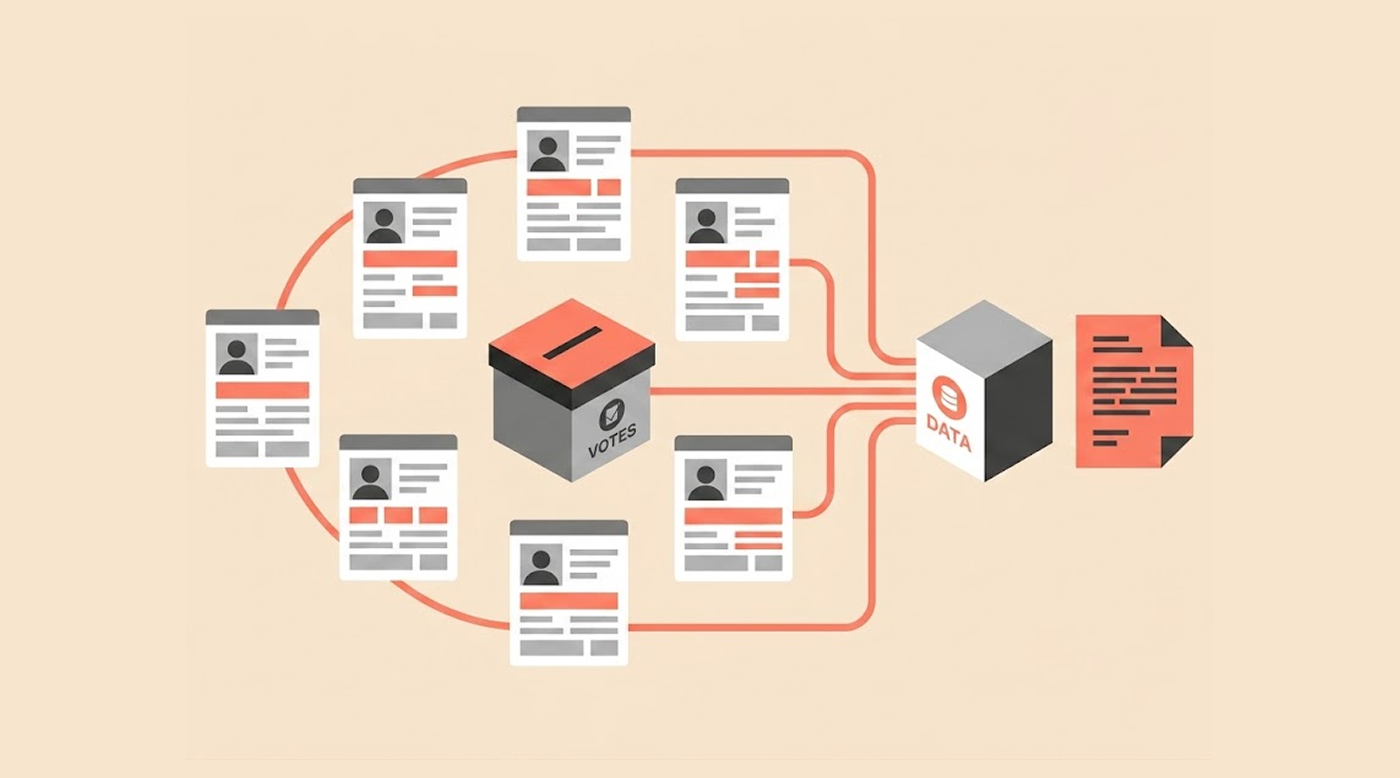
The federal government wants to hire a private contractor to collect voter files from across the nation. Officials say the data will assist law enforcement with voter fraud detection.
The new plan shows a major expansion of federal voting data collection efforts. Critics fear this move could harm voter privacy and disrupt state elections.
Scope of the contracting request
The US Immigration and Customs Enforcement posted the new notice on Tuesday. The agency acts through Homeland Security Investigations to lead criminal investigations. Officials want a private vendor to gather voter registration records and voting history files. Furthermore, the agency requires the vendor to deliver this data directly to federal investigators.
Government documents state that the information will support fraud detection and data segmentation tasks. Federal authorities claim these measures will protect the integrity of future elections across the country; however, state officials argue that managing voter rolls remains a local constitutional duty.
The contracting proposal outlines a massive data collection project across multiple jurisdictions. The draft document shows the government may request files from all fifty states. Additionally, the contractor must prepare to collect files from Washington, D.C., and American territories. Officials expect the contractor to secure updated voter registration lists each year.
The vendor must also collect voting history records for primary, general, runoff, and special elections. Prospective vendors must submit their technical proposals before the deadline on Friday afternoon. This tight deadline forces companies to assess their technical capabilities very quickly.
Interested vendors must answer several logistical questions regarding nationwide file delivery. The government asks vendors how quickly they can acquire records from every individual state. Officials also want to know if companies plan to use external subcontractors. The agency seeks feedback on whether to pay vendors per state or per jurisdiction.
Federal officials clarify that the notice is just a request for information. Consequently, the government has not officially awarded a contract or hired a private vendor yet. The request simply gathers market research to guide future procurement decisions.
Legal concerns and privacy backlash
Privacy rights advocates strongly criticize the government data request. John Davisson, deputy director at the Electronic Privacy Information Center, condemned the effort. He stated that the proposal represents a dangerous attempt to build a federal law enforcement database. He clarified that no federal institution has the right to form a national database of voters.
In addition, he stated that this program contradicts the Privacy Act and endangers voting rights. Numerous organizations dedicated to enforcing voting rights support this position. They emphasize the dangers that these federal databases pose to data leaks and identity theft cases.
Legal experts claim that the outsourcing of this data acquisition lets the agency get around the state privacy policies and restrictions. Some states restrict commercial buyers from accessing state voter files. However, the proposal allows federal officials to give vendors official authorization letters. These letters will assert a government need-to-know status to unlock state records.
The risks of outsourcing sensitive government data surfaced in January 2026 when Treasury canceled 31 Booz Allen contracts after a leak exposed tax records of about 406,000 taxpayers. Treasury blamed inadequate safeguards, while Booz Allen disputed the claim, saying the breach occurred on government systems.
Davisson noted that sending a letter does not make the collection legal. He warned that the process bypasses state election guardrails. State privacy regulations are in place to stop unauthorized individuals from getting sensitive information about citizens. Circumventing these laws could create an unacceptable legal precedent in the area of digital privacy.
Federal agencies accessed the voter files in many localities of North Carolina and Texas before. Reports from news outlets like Axios previously highlighted those local data collection efforts. The new contracting request signals a transition toward a permanent, recurring operation.
The government plans to force strict chain-of-custody protocols for all transferred files. This means vendors must use cryptographic hash values to ensure no party alters the records during transmission. Detailed logs will track every step of data movement from state servers to federal databases.
Broader context and ongoing disputes
This new program differs from previous legal efforts led by federal election officials. The Department of Justice recently filed lawsuits against several states to obtain unredacted voter files. Those court cases involve sensitive personal information like full Social Security numbers.
In contrast, the current immigration proposal focuses strictly on publicly available voter records. Moreover, the new initiative relies on commercial acquisition frameworks rather than direct court orders. This dual approach demonstrates a persistent federal effort to compile extensive voting records.
The government draft instructs vendors not to select jurisdictions based on political affiliations. Contractors cannot collect or deliver party registration data without explicit written permission. However, federal documents do not explain what specific fraud the agency intends to investigate.
Officials also leave the term data segmentation completely undefined in the technical attachments. The agency has also not indicated what state jurisdictions to target first for its action. This lack of clarity continues to raise concern among lawmakers and representatives of civil rights organizations. Many specialists note that before signing any contracts with vendors, there’s a need for clearer definitions.
Meanwhile, civil rights activists continue to keep track of the implementation of the program using public records. Voting advocates are concerned that the incorporation of criminal investigations in the election assistance process may discourage eligible voters. They point out that federal law enforcement presence in election administration creates confusion.
Meanwhile, federal agencies continue evaluating vendor proposals to refine their long-term voter data strategy. Public debate over the initiative will likely intensify as the contract response deadline arrives.
