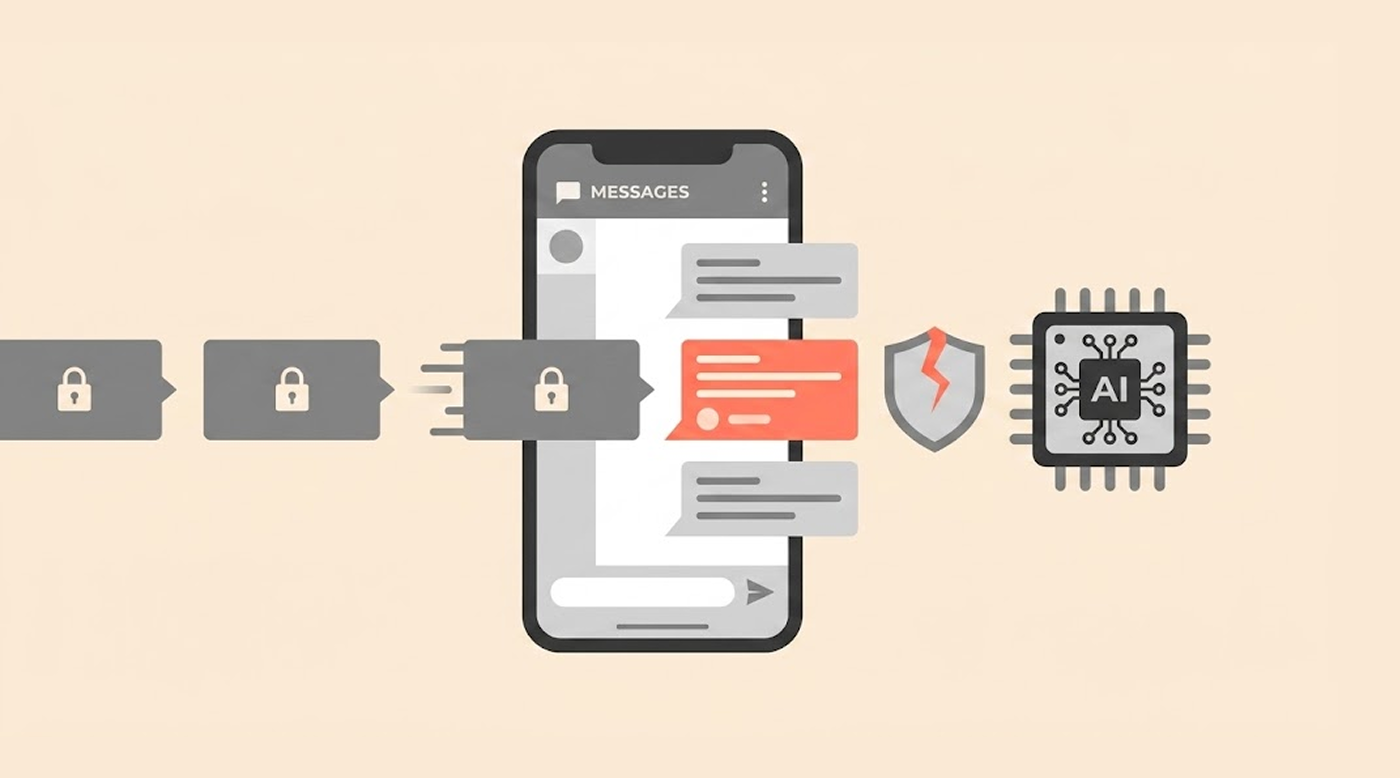
OpenAI recently introduced a new Apple Messages plugin for its desktop application on Mac computers. This tool allows ChatGPT to connect with conversations at work as well as at home in the Messages app.
It also allows users to request information from the AI, such as looking up previous chat history, summarizing large texts, and drafting new replies. All these capabilities, however, raise several concerns regarding the privacy of the consumer and the security of the information.
Understanding how the system processes decrypted text
The primary issue revolves around how the artificial intelligence software accesses chat records. The new plugin does not break or alter the core end-to-end encryption used by iMessage protocols.
Instead, it reads text content after the authorized computer has already decrypted the data locally. Furthermore, software programs on Apple computers have historically retained permission options to interact with local files when users allow it.
There is a profound transformation of pace, access, and amount of processing power. In the past, retrieving data from months of personal communication required manual transcription of the conversations and creating backups or utilizing specific extraction software.
Currently, everyone with an Apple silicon Mac can instantly retrieve relevant information regarding iMessage, SMS, and RCS, simply via conversational prompts.
The security protections provided by end-to-end encryption only safeguard data while it travels across external network routes. Once a message reaches its final destination device, local privacy depends entirely on how that endpoint stores and manages authorized permissions.
Concerns about OpenAI’s data handling extend beyond this plugin. In May 2026, a class-action lawsuit was filed in California alleging that OpenAI embedded Meta Pixel and Google Analytics tracking tools into ChatGPT’s web interface, transmitting users’ chat queries, email addresses, and other personal identifiers to Meta and Google without proper consent.
Endpoint control depends on external contacts
Privacy inside any digital conversation always depends heavily on the habits of everyone involved in the chat. You may select a chat tool with strong security features to keep your confidential conversations totally private. However, you can’t really know how the other party is using their computer.
If, for example, a friend or business partner activates this integration, they may instruct the software to review their files and conversations instantly. The tool can summarize private statements, pull specific personal records, or organize multi-year discussion records in seconds.
While people could always screenshot or forward text messages manually, removing operational friction makes deep data analysis effortless and routine.
In addition, people have zero visibility into whether their contacts are actively routing shared chat records into automated language models. When information moves from a decrypted local application into cloud servers, data usage terms shift significantly.
Standard consumer accounts may allow vendors to process inputs to train artificial intelligence models unless users turn off specific data sharing toggles. This means your private conversations may end up getting processed in remote server farms, without you knowing about it or your approval.
Geopolitical laws and sovereignty concerns
Data sovereignty is yet another challenge confronting international organizations and individuals with privacy concerns. Security-conscious groups rely on strong encryption to prevent foreign governments and unauthorized cloud providers from viewing sensitive communications. However, feeding decrypted message streams into external artificial intelligence servers changes that trusted protection model completely.
OpenAI operates as a corporation based in the United States and remains subject to domestic legal demands for corporate records. Under statutory frameworks like the CLOUD Act, domestic authorities can request access to data held within a provider’s custody regardless of where physical servers sit geographically. While formal legal requests require standard procedural steps, introducing third-party processing platforms fundamentally increases global exposure risks for sensitive data.
Organizations that use encrypted tools to avoid foreign jurisdiction monitoring must evaluate how external software tools alter information flows. The core debate extends far beyond where initial messages were encrypted or transmitted across international web connections. Today, real exposure risks depend heavily on where private records go after an automated agent handles them.
Enterprise risks beyond standard security safeguards
For corporate security departments, integration of applications raises some critical management issues with regards to shadow IT usage. Employees frequently intertwine business conversations with their personal texting platforms. They often discuss clients, financial information, bugs in software, and even some projects that belong to the company.
Hence, serious compliance risks arise when employees give robots access to their private messaging system on work-related tablets. Most likely, sensitive corporate information will pass through corporate servers and into private messaging applications. This flow will breach all auditing rules, record-keeping policies, and data security systems.
Furthermore, modern cybersecurity strategies should go beyond merely encrypting data while transmitting it. They should also put a lot of stress on the use of applications on endpoints. Even if end-to-end encryption is good for ensuring confidentiality while transmitting data, it does not do anything to stop devices from sharing open text messages after they get there.
As robots get access to more information within regular applications, companies should encourage moving the processing of sensitive local data to more regulated environments.
