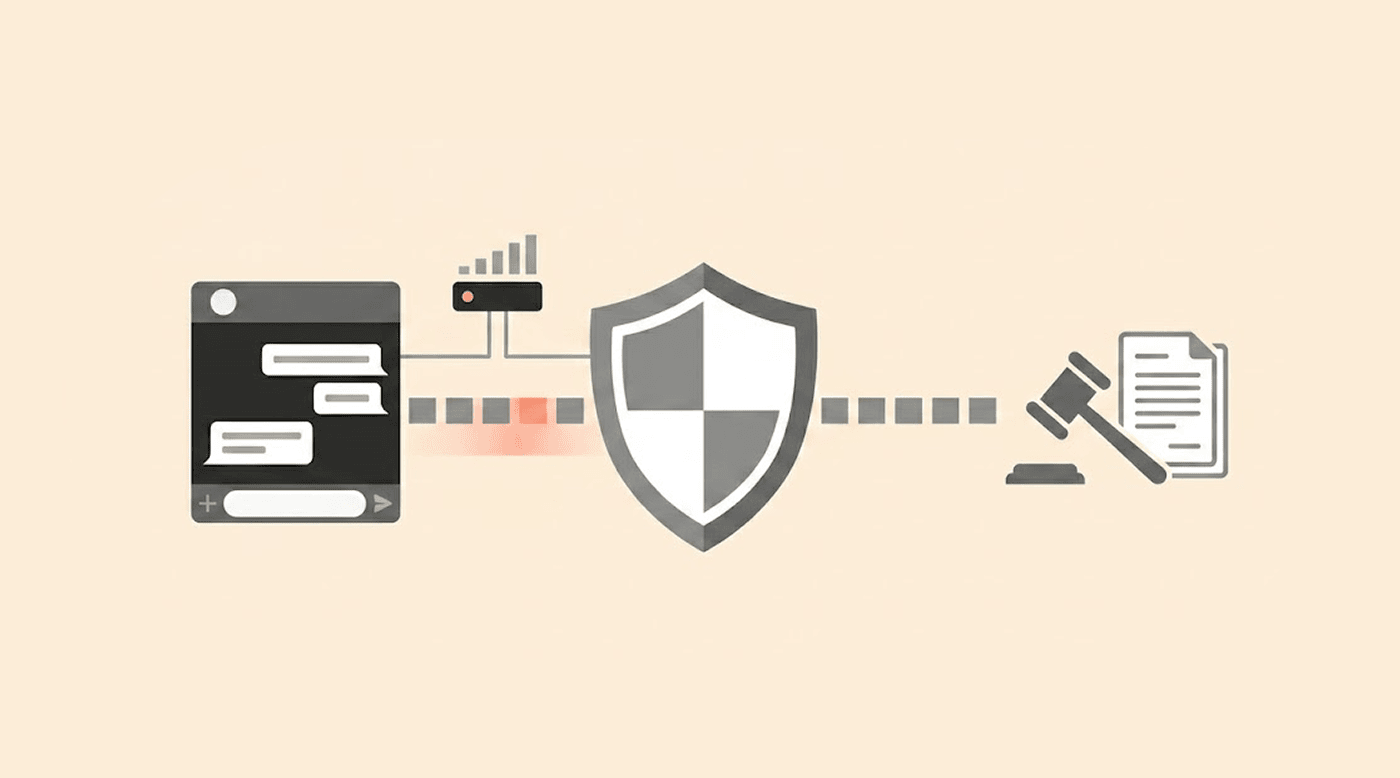
Texas has taken Meta Platforms and WhatsApp to court. The state alleges that the company deceived billions of users about the real reach of its end-to-end encryption, and the case is already forcing a broader conversation about what privacy actually means when a trillion-dollar company defines the term.
The lawsuit centers on one of the most repeated phrases in consumer tech. WhatsApp told users that no one outside the sender and receiver could read their messages. Texas says that statement is incomplete at best and deceptive at worst.
Texas says the fine print told a different story
WhatsApp has built its brand on privacy. Its end-to-end encryption sits at the center of years of marketing. But Texas officials argue that while the core messaging encryption may hold up technically, entire categories of user data fall outside its protection.
Cloud backups stored on Google Drive or iCloud, metadata tracking who users contact and how often, messages forwarded to Meta’s moderation teams after a report, and content accessible through internal moderation systems all represent that gap, according to the state. Texas contends that WhatsApp never clearly disclosed these exceptions to its users, and that omission, the state argues, amounts to deliberate deception.
Data sharing with other tech giants is a common theme in recent lawsuits. OpenAI faces similar allegations that ChatGPT user data was shared with Google and Meta without proper disclosure.
Meta pushed back firmly. The company insists WhatsApp’s encryption remains robust, that regular private messages stay inaccessible to WhatsApp itself, and that the lawsuit’s claims are simply inaccurate. The legal battle will likely run for some time. The reaction online moved instantly.
Users say the label has lost its meaning
The lawsuit hit social media and exposed something bigger than one company’s courtroom trouble. User @neuroglioma (BullishRaccoon) framed it plainly: Texas is suing Meta over encryption marketing it considers misleading, and Meta says the claims are wrong. Many people online weren’t shocked by the lawsuit itself. They were more surprised it took this long.
According to @usercentrics, the encryption may work technically, but the explanation fell short. When users don’t understand the exceptions built into a product, the gap between the promise and the fine print stops being informed consent.
That framing dominated the replies. The phrase “end-to-end encrypted” has become one of the most repeated and least understood labels in consumer tech. @Madhav_Agarwal noted that most people hear those words and assume it means no trace of their data exists anywhere else. @initialrv went further, questioning whether the label carries any real credibility at all anymore, arguing that companies have applied it too loosely for too long.
The frustration stretched beyond WhatsApp. Several users cited Google’s access to Gmail content and Discord’s data practices as examples of the same pattern. According to @eyes_of_re (Marathoniano), end-to-end encryption does not automatically guarantee that no one can access user data. Backups, reported messages, and metadata regularly fall outside that protection, and clearer communication on this point is long overdue.
@MartinSzerment put it more directly: when encryption becomes a marketing label rather than a technical guarantee, privacy shifts from being a feature to becoming a liability.
What Texas claims falls outside WhatsApp’s encryption
At the core of the lawsuit sits a specific set of data categories Texas argues WhatsApp left exposed:
- Cloud backups on Google Drive and iCloud fall outside end-to-end encryption by default.
- Metadata, covering who users message, when, and how often, carries no encryption.
- Reported messages go directly to Meta’s moderation teams once a user flags them.
- Internal moderation systems allow WhatsApp to review certain content internally.
Some voices online argued the problem runs deeper than any single platform. Several pointed to Signal as the only messaging service where the encryption promise holds without exception. One user stated flatly that nothing online is truly private anymore.
Whether Texas wins the case or not, the lawsuit has already done one thing: it forced a public reckoning with the distance between what tech companies promise their privacy tools do, and what those tools actually cover.
