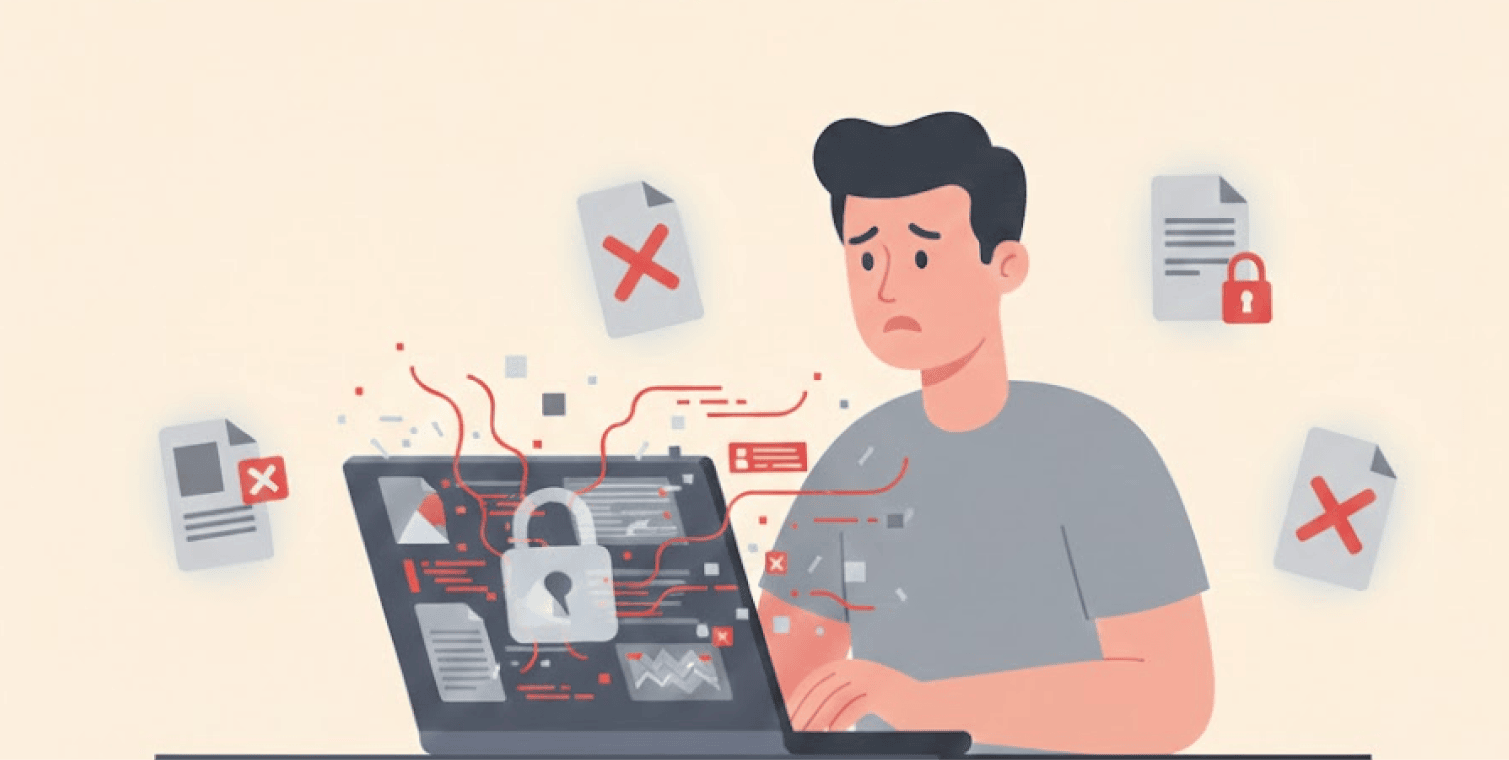
On Wednesday, the European Commission revealed a cyberattack that likely compromised employee information, shortly after the EU announced new cyber laws to guard against such attacks.
The intrusion into the Commission’s data system occurred on January 30, when an unknown perpetrator accessed an area of the Commission that included the technical equipment used for managing and connecting employee mobile devices.
The intruders may have also had access to the internal mobile phone numbers and names of the employees working within the Commission.
Swift response contained the damage
The Commission stated, ‘Our quick response mitigated the situation, sanitizing the compromised system in under nine hours. We found no signs of compromised mobile devices.
Although employees’ devices appear safe, the breach exposes personal information that attackers could use for targeted phishing or social engineering.
The timing couldn’t be worse: the Commission had just proposed major cybersecurity legislation to protect critical infrastructure from state-sponsored hackers and cybercriminals when this attack was discovered.
This incident underscores the acute challenges of digital security that the EU faces, even as it flexes its regulatory muscle to assert control over another dimension of the digital world: the data privacy practices of the world’s most powerful technology firms.
The Commission has not said exactly how the attackers gained access, but it has all the indications that this was just one part of a larger attack cycle against European institutions.
Dutch agencies hit by the same attack method
On the same day, the Netherlands Data Protection Authority and the Judiciary Council reported almost the same breaches of their data system. The two authorities verified that the bad actors took advantage of vulnerabilities in Ivanti Endpoint Manager Mobile software to infiltrate and reach the names of workers, their work emails, and phone numbers.
The Dutch authorities have stated,
“The National Cyber Security Center was notified by the vendor of vulnerabilities in EPMM on January 29. At this time, it has become clear that a foreign entity has accessed employee-related work data, including name, company email, and phone number.”
The pattern is that hackers are systematically targeting the European government system using the same method of exploitation.
On January 29, Ivanti, a global vendor of enterprise mobile management software for government and private enterprises, sounded the alarm after identifying two critical security vulnerabilities (CVE-2026-1281 and CVE-2026-1340) actively exploited in zero-day attacks.
These vulnerabilities are code-injection vulnerabilities that allow attackers to execute any command they desire on an unpatched system from a remote location. No authentication is necessary. Hackers see it as a dream come true; IT security teams face a nightmare.
What this means for government security
Targeting multiple European institutions at the same time indicates that there is a coordinated effort taking place. Whether state-sponsored or opportunistic criminals, the attackers achieve the same result: government employees’ data falls into the wrong hands. Affected employees now face an immediate risk of targeted phishing attacks.
The attackers will use all the personal information they have for their phishing emails to get the employees. Instead of sending out spam emails, the attackers will have real names and numbers that make these emails seem very real, so the employees will have a harder time determining whether the email they sent was or wasn’t credible.
Thus far, the European Commission has not responded to any requests regarding this incident; clearly, ongoing investigations are necessary. One thing is clear: complaints about cyber safety laws far outnumber the preventative measures actually in place.
In response, the EU is activating on multiple fronts, from hardening its own institutions against attack to aggressively investigating how global platforms manage the data of its citizens.
