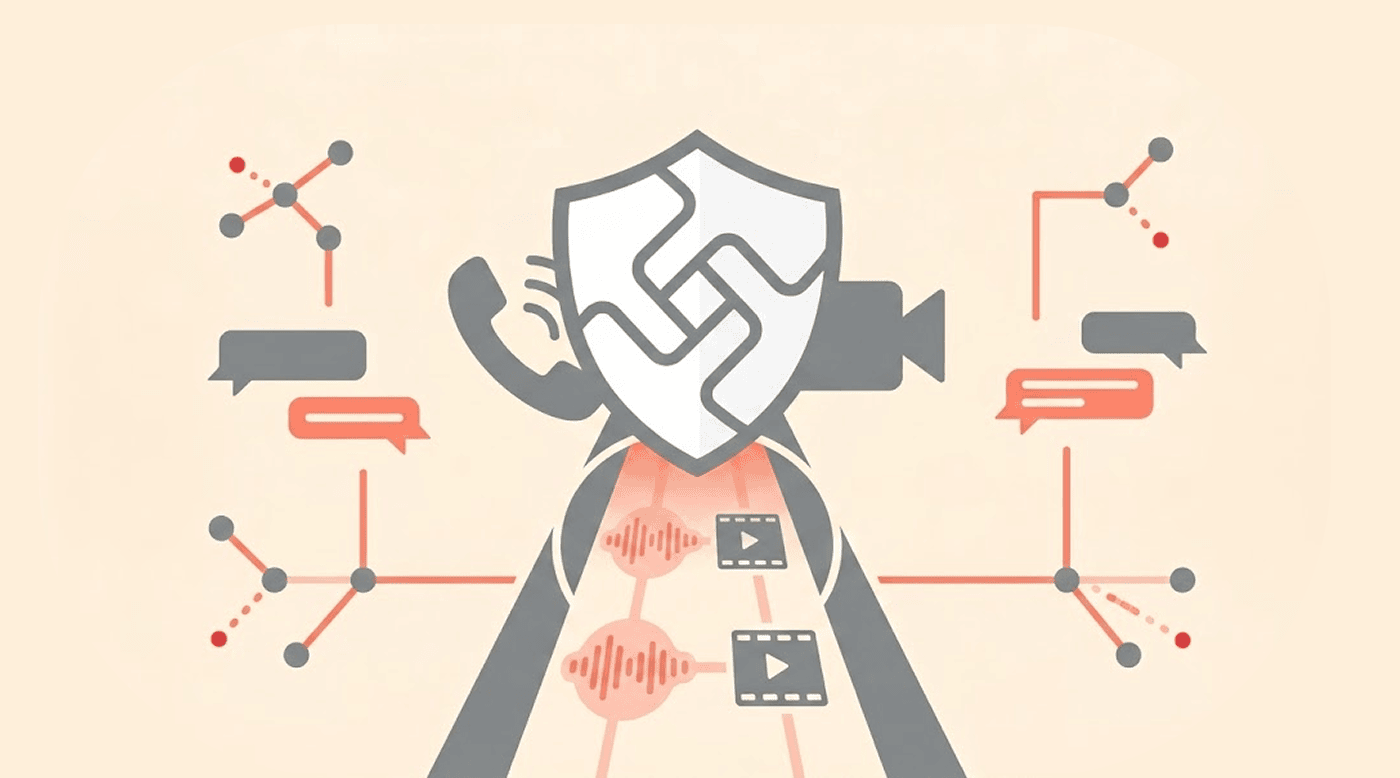
Discord has implemented end-to-end encryption for both audio and video calls by default. This allows Discord to encrypt the calls for all users automatically and with no action necessary from them.
The quiet switch and what it entails
Discord made a new move on Monday. They made end-to-end encryption a default for all calls on the platform. This move introduces a big privacy upgrade for voice and video calls on Discord.
It means even Discord cannot listen in. The company itself has zero access to what you say during a call. This change covers direct messages, group DMs, voice channels, and Go Live streams. The only exception is stage channels, which work more like public broadcasts where people expect less privacy.
But the timing of this move? There’s something peculiar about it. Just a few weeks ago, Meta quietly took off end-to-end encryption from Instagram DMs. And TikTok also said it won’t be adding end-to-end encryption to its messages either. So two of the biggest social platforms are backing away from private communication, while Discord is charging right toward it.
How Discord built toward this moment
Discord has been brainstorming and researching about (end-to-end) Encryption years prior to launching last year,
The platform first launched encrypted voice and video calls in 2023. It was an optional feature then so users who wanted it had to turn it on themselves. It was a hassle for many, so it never became widely used.
Then later that year, Stephen Birarda introduced the DAVE protocol. That is an open-source, audited encryption protocol built specifically for audio and video. Discord started testing it on desktop and mobile to prove it could work at a massive scale without slowing things down.
Last year, Clément Brisset expanded DAVE to every remaining platform. That included web browsers, gaming consoles, Discord bots and apps, and the company’s Social SDK. The goal was to close every gap that left some calls unencrypted.
By the beginning of March this year, Discord completed that full migration. Monday’s change just made encryption the automatic default for everyone.
Discord designed DAVE to work across all kinds of devices like PCs, phones, consoles, and browsers with minimal lag. An outside security firm called Trail of Bits audited both the protocol and its implementation.
Discord also runs a bug bounty program to catch any remaining issues. The company even worked with Mozilla to fix a Firefox problem that affected encrypted calls.
Discord now says it is removing the old client code that allowed unencrypted fallbacks. Once that finishes, it will be impossible to drop back to an unencrypted connection.
The bigger privacy picture
For a platform with hundreds of millions of users, many of them younger people who use Discord as their main way to hang out online, this is a meaningful upgrade. Most users will never have to think about it since it’ll just be running in the background every time they’re on a call.
For years, privacy buffs have been advocating for end-to-end encryption. Law enforcement agencies argue it blocks investigations. Platform companies try to navigate both sides. Discord just picked a clear side, at least for voice and video.
It remains unclear whether Discord will extend the same protection to text messages. Still, as of now, Discord has become the leader in the social media space when it comes to privacy.
And by making E2E encryption a default feature rather than something you’d have to go into the settings menu to switch on, Discord got even more user-friendly.
The service is simultaneously moving in a different direction on another front. Mandatory age verification has sparked user revolt, showing the tension between privacy protection and safety measures.
